
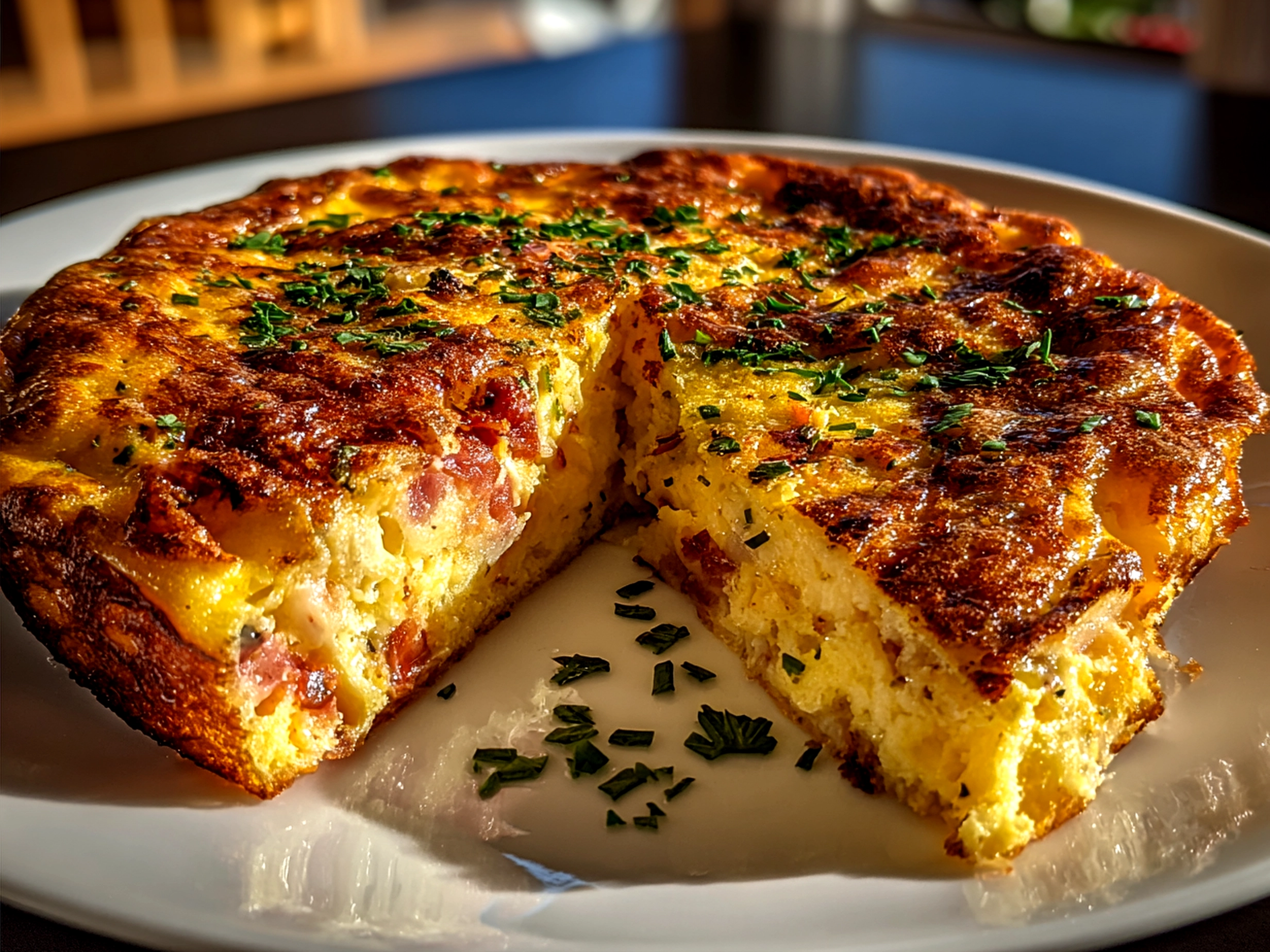
I can’t tell you how many times the humble frittata has saved me in my kitchen! That first time I made a frittata, I was scrambling around with too many ingredients and not enough time. But the moment that Italian omelette started baking, my kitchen filled with an amazing aroma—eggs and cheese mingling with fresh vegetables—and I knew I’d stumbled on something special. This baked eggs dish became a family favorite almost overnight. It’s like a blank canvas for whatever we have lurking in the fridge. Sometimes it’s a veggie frittata packed with garden greens; other times, it’s a rich cheese frittata with gooey mozzarella and parmesan. The best part? It’s straightforward, comforting, and perfect for busy mornings or a simple dinner.
I remember one particular morning when I was rushing to get the kids ready for school, juggling lunchboxes and homework, and needed something quick yet hearty. Bringing together eggs, veggies, and a sprinkle of cheese into a frittata was my little kitchen victory that day. Plus, it’s forgiving—I’ve definitely had those moments when the edges browned a bit too much or the center jiggled longer than I expected. That’s part of the charm and learning process with this dish. Over time, I’ve perfected a frittata method that fits neatly into our hectic lives, turning it into a go-to egg dish that’s simple, versatile, and kid-approved.
If you’ve ever thought an Italian omelette sounds fancy or complicated, I’m here to tell you the frittata is anything but. It’s one of those dishes that welcomes beginner cooks and seasoned pros alike, especially when you’re craving something homemade without hours of prep. So stick around, girlfriend, because I’m excited to share everything from my trusty ingredient staples to clever shortcuts and serving tips that make the frittata shine any day of the week. You might find it becoming a new family favorite, just like mine did!
Ingredients:
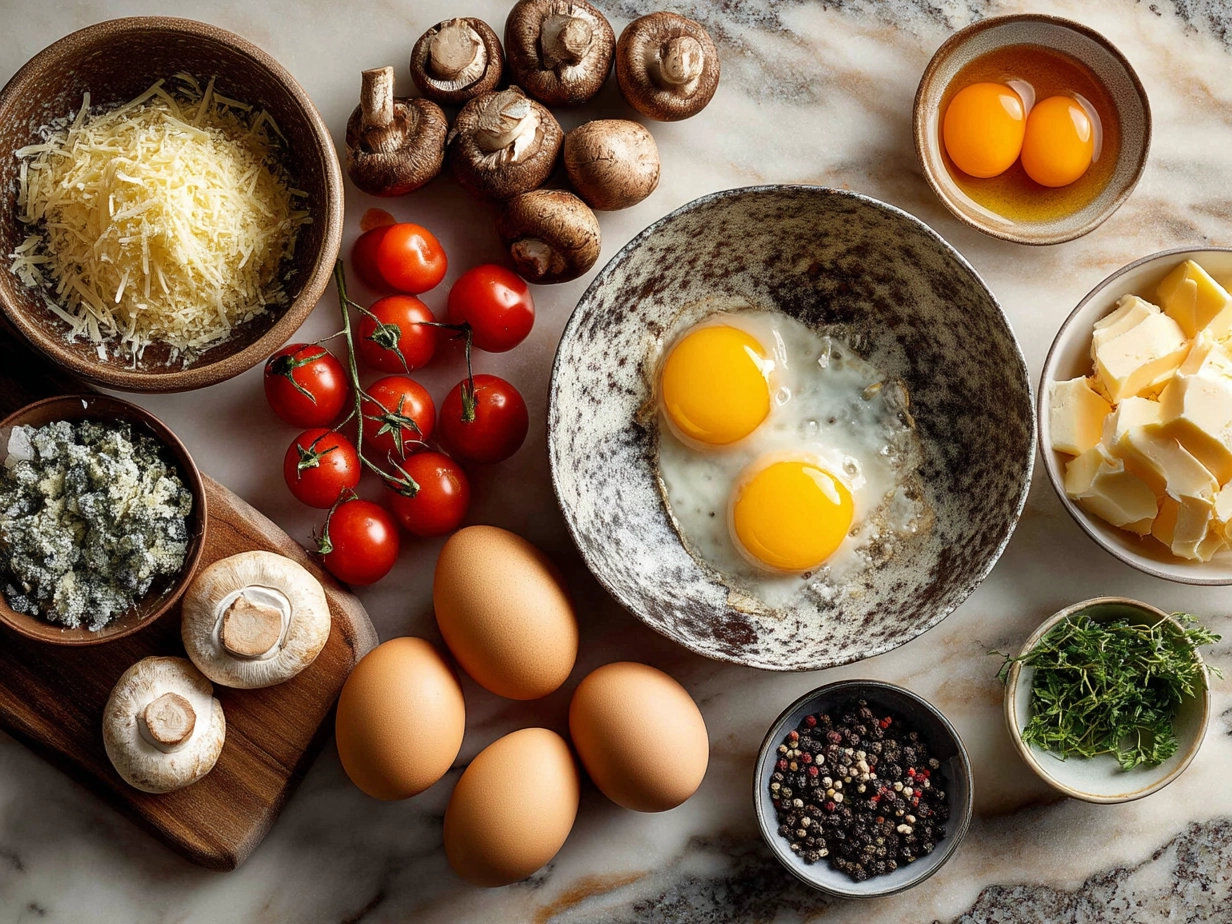
- 8 large eggs (I always use fresh, free-range eggs for my frittata—flavor and texture make all the difference)
- 1/4 cup milk or cream (for a creamier bite in baked eggs)
- 1 cup shredded cheese (cheddar, mozzarella, or a blend—cheese frittata lovers will appreciate how this melts beautifully)
- 1 cup chopped fresh vegetables (spinach, bell peppers, mushrooms – the classic vegetable frittata combo)
- 1 small onion, diced
- 2 cloves garlic, minced
- Salt and pepper to taste
- 2 tablespoons olive oil or butter (adds richness and helps sauté those veggies)
- Fresh herbs like parsley or basil (optional but so worth it for that fresh pop)
When making frittata, I find local farmers’ markets a great place to find fresh, seasonal vegetables without breaking the bank. I learned from my mom that having pre-chopped frozen veggies on hand is a legit kitchen hack for quick frittata prep on busy days. You’ll also want to make sure your cheese is fresh; sometimes I grab shredded cheese from the deli counter instead of pre-packaged—it melts better and tastes fresher.
Pro tip: If you’re trying to save money, swap pricier cheeses with more affordable options or mix things up with beans or potatoes in the vegetable frittata style for that filling texture. Leftover ingredients like cooked potatoes or roasted veggies keep perfectly for a day or two if stored in airtight containers — great for spontaneous frittata making.
You can find most of these ingredients at your local grocery store or specialty markets. I recently stumbled on some beautiful heirloom tomatoes for a tomato and cheese frittata that was an absolute hit! Also, don’t forget a good-quality non-stick skillet — it’s a true friend when flipping it or finishing the frittata in the oven.
Speaking of kitchen tools and tips, here’s a trick I learned early on: sauté your vegetables until they’re tender but not mushy to avoid soggy baked eggs. This little step ensures every bite of your frittata has that perfect texture.
For more inspiration on wholesome cooking, check out the Cheesy Chicken and Corn Stuffed Poblano Peppers recipe — I use a similar cheese blend technique in my frittata!
How To Make – Step-by-Step:
- Preheat your oven to 375°F (190°C). Getting the oven ready early makes a smooth transition to the baking phase that’s essential for a classic baked eggs dish like frittata.
- Whisk together the eggs, milk, salt, and pepper. This is your base—think of it like the canvas for your Italian omelette. I find fluffy eggs come from gentle but thorough whisking.
- Sauté onions and garlic in olive oil over medium heat. When they get translucent and smell amazing, it’s time to add your chosen vegetables. This step locks in flavor and prevents watery frittata pockets.
- Add vegetables and cook until tender. Don’t rush this; as I mentioned before, soggy or underdone veggies can throw off the whole texture.
- Pour the egg mixture evenly over the veggies. Then sprinkle your shredded cheese all over. The cheese frittata begins to come to life here as it melds with fresh eggs and savory vegetables.
- Cook on the stove for about 2-3 minutes over medium heat, just until the edges start setting. Don’t worry if the middle looks wet—that’s why it’s heading into the oven next!
- Transfer your skillet to the oven to bake for about 15 minutes. In my kitchen, the frittata usually takes between 15-20 minutes for a perfect set that’s slightly golden on top.
- Keep an eye on it at around 12 minutes in. It should smell buttery and savory—like a warm hug. If you notice it browning too quickly, cover loosely with foil.
- Test for doneness by gently shaking the pan—the center should not jiggle, and a toothpick inserted comes out clean.
Don’t fret if your first frittata edges brown slightly or if the texture differs from what you expected—I’ve learned the hard way that every stove and oven has its personality! While your frittata is baking, I usually tidy up the kitchen, set the table, or even start a quick side salad.
Oh, and if you want to keep things extra simple, you can check out tips and troubleshooting on frittata cooking, which covers some common issues beginners face.
If you love this approach, you might also enjoy perfecting the golden crust of a garlic rosemary focaccia muffin recipe — just like the one I shared here: Golden Crust Garlic Rosemary Focaccia Muffins recipe.
Serving:
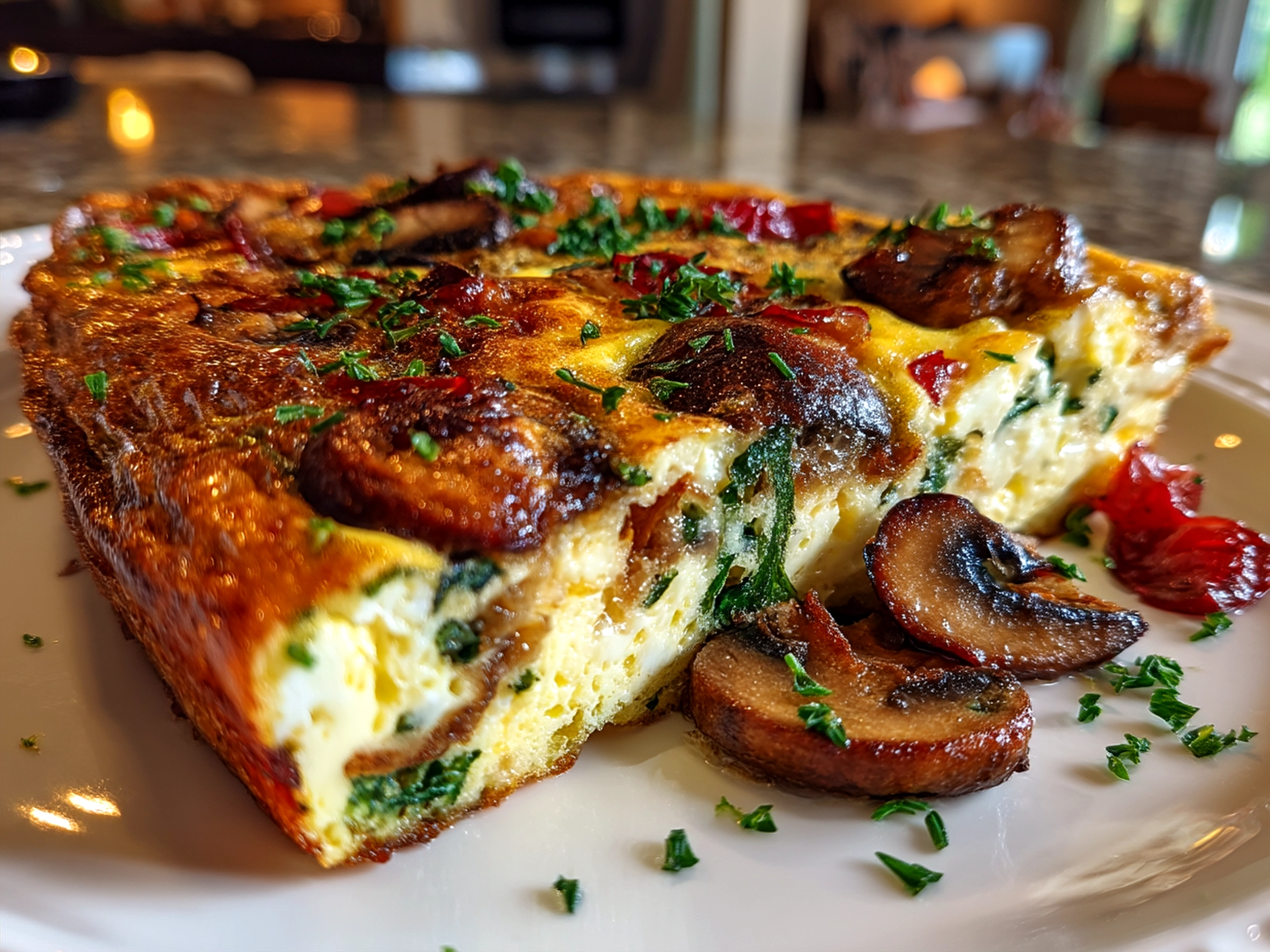
Our family enjoys this frittata fresh out of the oven, usually served warm or at room temperature. The kids love our cheese frittata especially when I sneak in some shredded carrot and zucchini—they never notice! Sometimes I add a light green salad or roasted potatoes to round out the meal and keep it satisfying. I’ve found simple fruit sides or even fresh bread, like homemade ciabatta, pair beautifully with frittata too. For a no-fuss bread option, try this homemade ciabatta bread, it’s fantastic alongside a vegetable frittata to soak up the flavors.
Occasions for frittata? Pretty much any day! It’s my go-to for lazy weekend brunches, quick weeknight dinners, and even holiday mornings when I want an egg dish that’s impressive but not stressful.
Presentation-wise, slicing a frittata into wedges and serving it on a rustic wooden board gives an inviting feel. Garnishing with fresh herbs adds color and freshness. Leftover frittata also makes a great packed lunch or quick snack—you can eat it cold or warmed up. Sometimes, I transform leftovers into a frittata sandwich with some crisp greens on toasted artisanal bread, fooling guests into thinking I spent more time prepping than I actually did!
I love trying seasonal frittata variations too—from spring asparagus and peas to autumnal squash and sage. My friends always ask for this recipe whenever we have brunch together since it’s such an easy crowd-pleaser.
FAQs:
Q: Can I make a frittata ahead of time?
Absolutely! You know what I do when my frittata is made early? I refrigerate it and gently reheat slices in the oven or microwave. It retains texture well and tastes almost as fresh.
Q: How do I prevent my frittata from getting soggy?
Sauté your veggies thoroughly and avoid watery ingredients like tomatoes without draining them. This little tip saved me lots of soggy frittata mishaps.
Q: Can I use other cheeses in a cheese frittata?
Definitely! I’ve experimented with goat cheese, feta, and even smoked gouda. Each brings a distinct flavor to your egg dish.
Q: Is frittata the same as an Italian omelette?
Great question! While both are egg dishes, a frittata is cooked slowly and finished baked, typically thicker and often includes baked eggs with fillings, whereas an Italian omelette is folded and cooked quicker.
Q: Can I freeze leftover frittata?
Yes, but I recommend freezing individual slices wrapped tightly. When ready to eat, thaw gradually and warm gently to avoid rubbery texture.
Q: What’s the best pan for making frittatas?
A well-seasoned cast iron skillet or oven-safe non-stick pan works best. I’ve learned that cheap pans can cause sticking, which is frustrating.
Q: How can I add protein to my vegetable frittata?
Cooked bacon, sausage, or leftover chicken works beautifully. The key is to have those proteins cooked well before mixing with your eggs.
For more troubleshooting and advice on this classic egg dish, check out the easy frittata recipe and the how to make a frittata recipe guides for additional mom-friendly tips.
My Final Thoughts:
This frittata recipe holds a dear place in my heart because it’s a true kitchen champion—a dish that nurtures family moments with minimal fuss. My frittata pro tips? 1) Always sauté veggies until tender but not mushy, 2) Use fresh cheese for the best melt, and 3) Don’t rush the baking stage—it makes all the difference. Over the years, my family has fallen for different versions: my kids adore the cheese frittata with hidden veggies, my spouse loves the heartier versions with sausage or bacon, and I can’t get enough of a simple vegetable frittata with fresh herbs.
I’ve also tried sweet potato and kale frittata and one with caramelized onion and mushrooms — all hit the spot in different ways. I encourage you to take the basic method I’ve shared and make it your own, adapting with what you love and what your family enjoys. There’s something truly comforting about a warm, satisfying frittata at the table — I hope it brings you the same joy and ease it’s brought my family.
If you’re looking to pair that with some bread, try my perfect homemade ciabatta bread recipe. Or if you want another cozy baked dish, check out cheesy stuffed poblano peppers—they make a great companion to your frittata journey!
Here’s to many delicious frittata moments ahead—warm kitchens and happy tummies included!
frittata

A frittata is a versatile Italian egg-based dish, perfect for breakfast, lunch, or dinner, featuring a flavorful mix of vegetables, cheese, and herbs cooked slowly to a golden finish.
- Prep Time: 10 minutes
- Cook Time: 20 minutes
- Total Time: 30 minutes
- Yield: 4 servings
- Category: Dinner
- Method: Baked
- Cuisine: Italian
Ingredients
- 6 large eggs
- 1/4 cup milk
- 1 cup spinach, chopped
- 1/2 cup cherry tomatoes, halved
- 1/2 cup mozzarella cheese, shredded
- 1/4 cup onion, finely chopped
- 2 cloves garlic, minced
- 2 tablespoons olive oil
- Salt and black pepper, to taste
- 1 teaspoon fresh basil, chopped
Instructions
- Preheat oven to 375°F (190°C).
- In a bowl, whisk together the eggs, milk, salt, and pepper until combined.
- Heat olive oil in an oven-safe skillet over medium heat.
- Sauté onions and garlic until translucent and fragrant, about 3 minutes.
- Add spinach and tomatoes and cook for another 2 minutes until spinach is wilted.
- Pour the egg mixture over the vegetables in the skillet, stirring gently to combine.
- Sprinkle mozzarella cheese and fresh basil evenly on top.
- Cook on stovetop without stirring for 5 minutes until edges begin to set.
- Transfer skillet to the oven and bake for 10-12 minutes until the frittata is fully set and lightly golden on top.
- Remove from oven, let cool slightly, slice, and serve warm.
Notes
For a richer flavor, add cooked sausage or mushrooms. Serve with a side salad or crusty bread for a complete meal.