
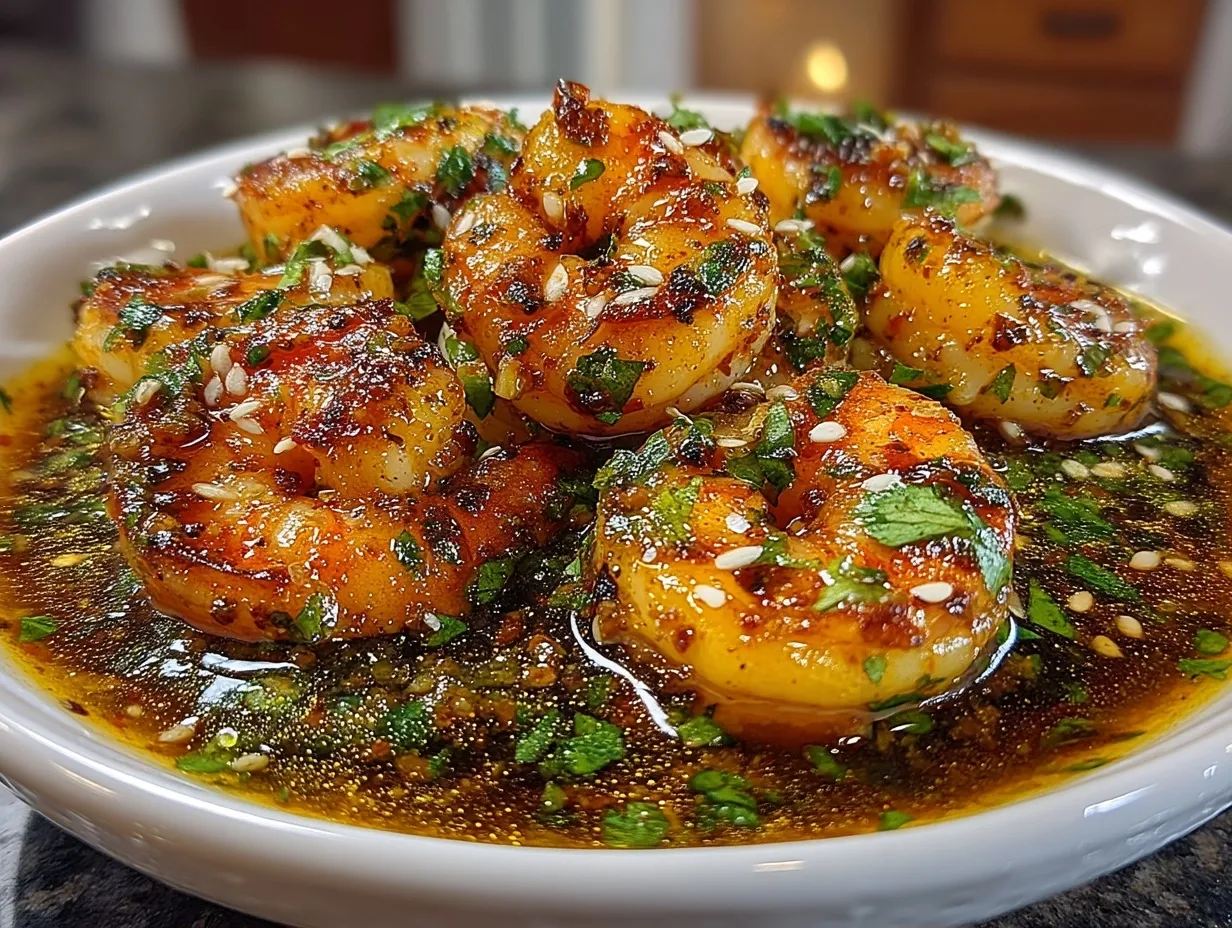
The moment you hear the sizzle of shrimp hitting a hot grill or skillet, your senses awaken—an intoxicating dance of aromas fills the air, promising a bite bursting with zest and tenderness. The secret? A perfectly crafted shrimp marinade. It’s not just about soaking the shrimp in a mix of flavors; it’s about creating a harmony where citrus tang, sweet spices, and herbs mingle, saturating each morsel with flavor before the first sear. If you’ve ever wondered how to elevate simple shrimp into a mouthwatering feast, mastering the shrimp marinade recipe is your golden ticket.
Shrimp’s delicate texture craves a marinade that enhances rather than overpowers. Imagine a bright splash of lemon or lime juice softening the seafood while garlic and paprika inject smoky depth that lingers. The best marinade for shrimp balances acidity with a hint of sweetness and a whisper of heat, coaxing out succulent juiciness beneath a lightly caramelized crust. When you learn how to marinate shrimp just right—timing it perfectly for 20 to 30 minutes—you’ll notice the difference in each bite. The shrimp absorbs the shrimp marinade sauce like a sponge, transforming into a juicy, flavorful delight that elevates any meal.
Whether you’re grilling outdoors on a warm summer evening, skillet-searing for a quick weeknight dinner, or tossing shrimp into a vibrant salad, this shrimp marinade recipe offers versatility that suits every occasion. Let the aroma of fresh herbs, citrus, and spices guide you as you prepare to turn simple shrimp into something truly special.
Shrimp Marinade Ingredients
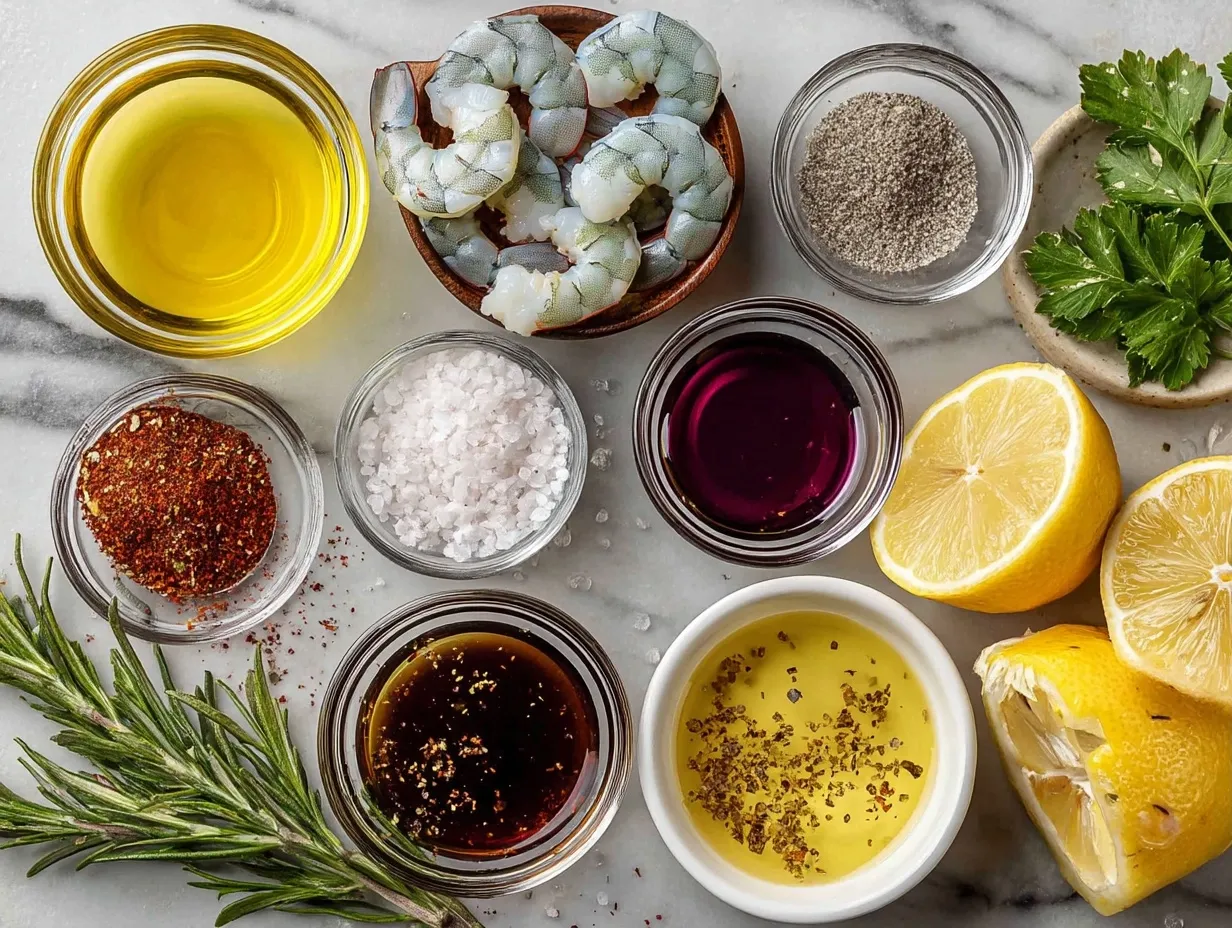
To craft the perfect shrimp marinade, gather these fresh and pantry-friendly ingredients. Each component plays a vital role in layering flavor and tenderizing the shrimp gently.
- 1 pound medium shrimp, peeled, deveined, tails on or off
- 3 tablespoons olive oil – for smooth coating and aiding caramelization; swap with avocado oil for a milder taste or vegetable oil as budget-friendly option
- 2 tablespoons freshly squeezed lemon juice – key for brightness and tenderizing; lime juice adds a lovely twist
- 3 garlic cloves, minced – adds pungency and aromatic depth; consider garlic powder as an easy substitute
- 1 teaspoon smoked paprika – lends smoky warmth and color; regular paprika or chili powder works if desired
- 1/2 teaspoon crushed red pepper flakes – optional, for gentle heat; omit for a milder marinade
- 1 teaspoon honey or brown sugar – balances acidity and aids caramelization; maple syrup or agave nectar are alternatives
- 1/2 teaspoon kosher salt – enhances all flavors; reduce if using salty soy sauce
- 1/4 teaspoon freshly ground black pepper
Swaps & Budget Tips:
Use bottled lemon juice if fresh is unavailable but fresh is best for vibrant flavor. If olive oil feels pricey, vegetable or canola oil work just fine. Paprika adds depth but simple chili powder or cumin can create an equally delicious variation. A splash of soy sauce (about 1 tablespoon) can replace salt and add umami, adjusting sugar slightly to balance.
This combination forms a marinade that’s bright, a little sweet, smoky, and just a bit fiery—setting the stage for perfect shrimp every time.
Steps to Make the Best Shrimp Marinade and Marinate Shrimp
1. Prepare the shrimp: Start with fresh, peeled, and deveined shrimp. Rinse them briefly under cold water and pat dry with paper towels to remove excess moisture. Drier shrimp absorb marinade better and sear evenly.
2. Mix the marinade: In a medium bowl, combine olive oil, lemon juice, minced garlic, smoked paprika, crushed red pepper flakes, honey, salt, and black pepper. Whisk vigorously until smooth, watching the colors blend into a rich reddish-golden hue—a visual cue your sauce is ready.
3. Marinate the shrimp: Place the shrimp in a large resealable plastic bag or shallow dish. Pour the marinade over the shrimp, making sure each piece is coated. Seal or cover tightly. Gently toss or massage the shrimp to coat thoroughly.
4. Timing matters: Refrigerate for 20 to 30 minutes only. Shrimp are delicate and soak up acids quickly—over-marinating causes them to become mushy or “cook” prematurely from the citrus. If you need to prep ahead, aim for the lower end of this window.
5. Preheat your cooking surface: Whether grilling or pan-searing, heat your grill or skillet until very hot. This ensures shrimp develop a caramelized exterior with beautiful grill marks or a golden crust.
6. Cook the shrimp: Remove shrimp from marinade, letting extra drip off to avoid flare-ups or sogginess. Cook in a single layer for 2–3 minutes per side until pink, opaque, and just firm to touch. Avoid overcooking or shrimp become rubbery.
7. Serve immediately: Shrimp lose juiciness and texture as they cool, so serve as soon as possible for maximum flavor impact.
Some common mistakes include marinating too long or using too much acid, leading to shrimp texture breaking down. Another is overcrowding the pan, which causes steaming instead of searing. Aromas will be your best guide—the fragrant scent of garlic, citrus, and smoky paprika coupled with sizzling signals perfect timing.
Presentation: Serving Your Marinated Shrimp With Love
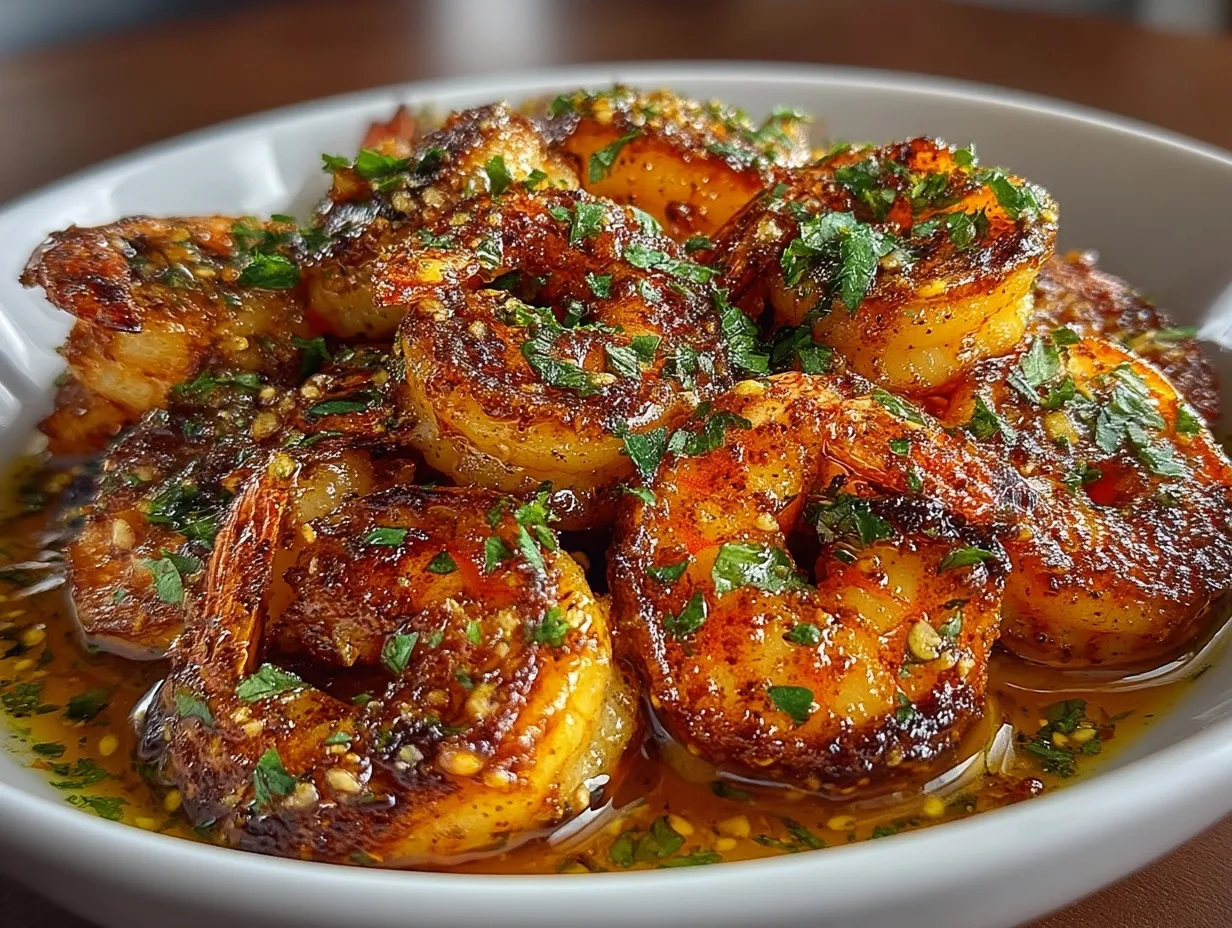
These marinated shrimp shine beautifully in a variety of settings. Their vibrant flavor and visually appealing sear make them a festive centerpiece or a quick yet impressive family meal option.
- Over rice or grain bowls: Serve atop fluffy jasmine rice, quinoa, or couscous tossed with fresh herbs and chopped vegetables. The zestiness of the marinade pairs wonderfully with fragrant grains.
- In tacos or wraps: Fold warm corn tortillas around shrimp with crisp cabbage slaw, avocado slices, and a drizzle of tangy crema or garlic aioli. This bright, crunchy combo turns shrimp into a handheld fiesta (Flavor-Packed Shrimp Tacos).
- On crisp salads: Lay shrimp over a bed of greens with cherry tomatoes, cucumbers, and a light vinaigrette, offering a refreshing contrast to the rich marinade.
- Party skewers: Thread the marinated shrimp onto skewers with colorful peppers and pineapple chunks for a crowd-friendly appetizer or barbecue treat.
This shrimp marinade recipe suits casual family dinners and special celebrations alike. The balance of flavors invites gathering around the table, sharing stories alongside bites that delight every palate. Try pairing with chilled white wine or brewed iced tea for a refreshing complement.
FAQs About Shrimp Marinade
1. How long should I marinate shrimp?
20 to 30 minutes is ideal. Longer can cause shrimp to become mushy due to acid in the marinade breaking down proteins.
2. Can I use frozen shrimp for marinating?
Yes, but thaw thoroughly and pat dry first to ensure the marinade soaks in and cooks evenly.
3. What if I don’t have lemon juice?
Lime juice is an excellent substitute. You can use a mild vinegar like apple cider vinegar but use less acidic vinegar to prevent mushiness.
4. Can I marinate shrimp ahead and freeze?
It’s best to marinate fresh and cook immediately. Freezing after marinating can negatively alter texture.
5. Should I peel shrimp before marinating?
Peeling helps flavors penetrate, but keeping tails on adds presentation flair.
6. What if I want a spicy shrimp marinade sauce?
Add more crushed red pepper or a dash of hot sauce for heat. Paprika can be swapped with chipotle powder for smoky spice.
7. Can I reuse shrimp marinade as a sauce?
No, discard leftover marinade that touched raw shrimp to avoid contamination. Instead, reserve a portion of marinade before adding shrimp to use as a sauce or baste during cooking.
Conclusion: Your Perfect Shrimp Marinade Awaits
Mastering how to marinate shrimp elevates home cooking simply and memorably. With straightforward shrimp marinade ingredients and clear timing, you create juicy, flavorful bites that beg for seconds. The beauty lies in balancing bright citrus, fragrant garlic, smoky paprika, and a touch of sweetness—flavors that brighten shrimp without overwhelming their tender nature. Don’t be afraid to experiment with swaps: lime for lemon, chili powder for paprika, or maple syrup instead of honey. Each variation tells your unique cooking story.
Whether plated over rice, tucked into easy tacos, or skewered for summer grilling, these marinated shrimp bring brightness and warmth to any table. Trust your senses—the vibrant aroma and golden sparkle guide your success. Gather your family, bring out the grill, and share the love through food. Happy marinating and bon appétit!
For more recipe inspiration, try these favorites:
- Flavor-Packed Shrimp Tacos
- Crabby Shrimp Stuffed Garlic Bread Bombs with Cream Cheese and Mozzarella
- Grilled Shrimp Tostadas
You can also explore these trusted external recipes to deepen your shrimp marinade adventures:
- Grilled Marinated Shrimp Recipe – Allrecipes
- Garlic Lime Grilled Shrimp Marinade – Whitney Bond
- Easy Shrimp Marinade Recipe for Grilling – Foolproof Living
Shrimp Marinade
This flavorful shrimp marinade combines zesty citrus and aromatic herbs to create a perfect base for grilled or sautéed shrimp, enhancing their natural sweetness and tenderness.
- Prep Time: 10 minutes
- Cook Time: 10 minutes
- Total Time: 20 minutes
- Yield: 4 servings
- Category: Dinner
- Method: Grilled
- Cuisine: American
Ingredients
- 1/4 cup olive oil
- 2 tablespoons lemon juice
- 2 cloves garlic, minced
- 1 teaspoon smoked paprika
- 1/2 teaspoon salt
- 1/4 teaspoon black pepper
- 1/2 teaspoon crushed red pepper flakes (optional)
- 1/4 cup chopped fresh parsley
- 1 pound raw shrimp, peeled and deveined
Instructions
- In a bowl, whisk together olive oil, lemon juice, garlic, smoked paprika, salt, black pepper, and crushed red pepper flakes if using.
- Add chopped parsley and stir to combine.
- Place the shrimp in a resealable plastic bag or shallow dish and pour the marinade over them.
- Seal the bag or cover the dish and refrigerate for 20 to 30 minutes, allowing the shrimp to absorb the flavors.
- Remove shrimp from marinade and cook using your preferred method: grill, sauté, or bake until pink and opaque (about 3-4 minutes per side).
- Serve immediately with your favorite side dishes.
Notes
For extra flavor, marinate the shrimp up to 1 hour but avoid longer as the acidity can start to ‘cook’ the shrimp, altering texture.