
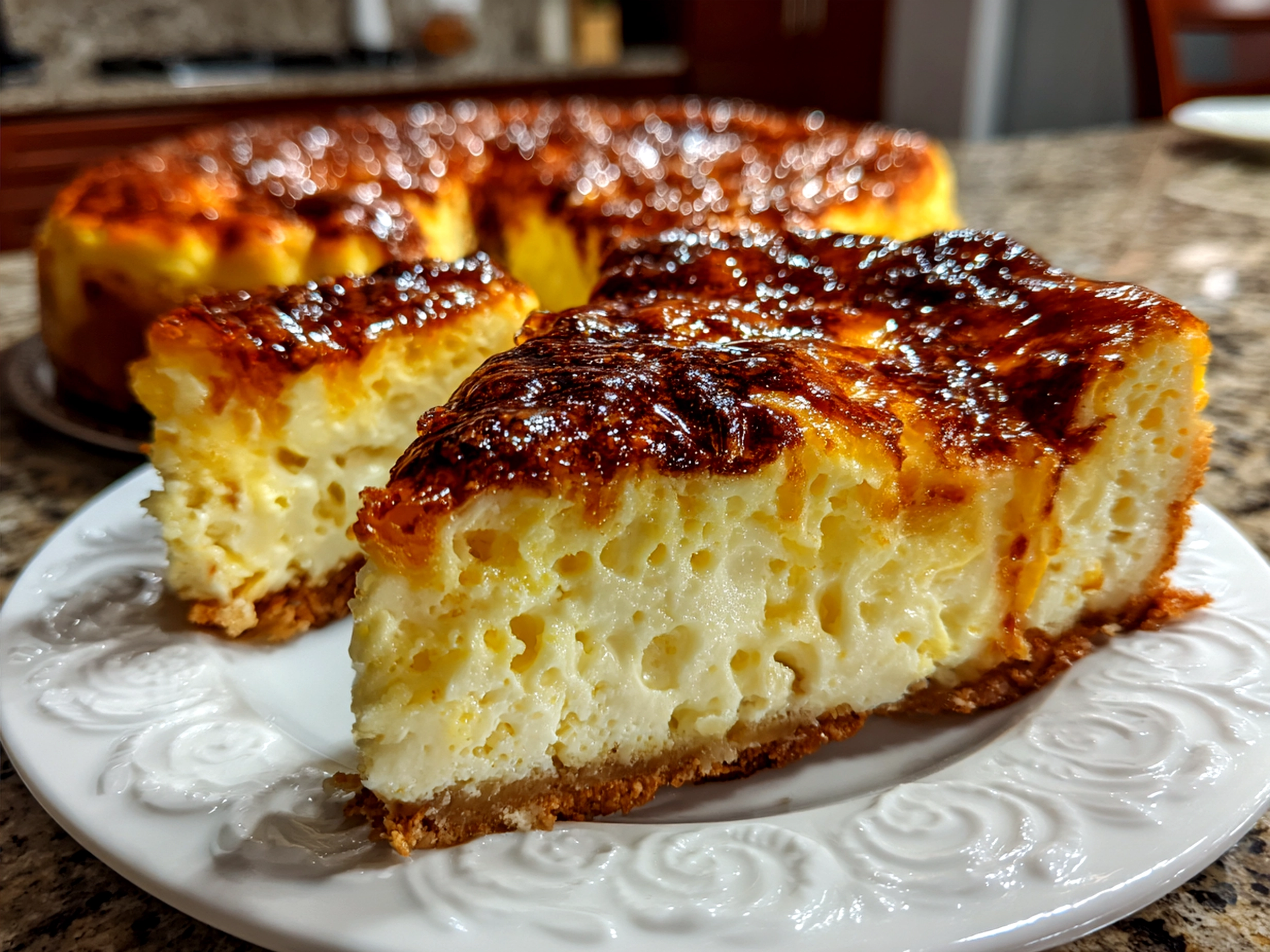
There’s something truly comforting about baking a Polish Sernik that takes me back to my childhood kitchen. The aroma of this traditional Polish cake filling the house always brings a warm smile, reminding me of family gatherings where laughter mixed with the sweet scent of twarog cheese dessert. I remember the first time I attempted my own Polish Sernik recipe—it was a mix of excitement and anxiety because, honestly, nailing that perfect texture took a few tries. Over time, this cream cheese sernik has become a cherished staple in my home, offering a slice of tradition amidst our busy family life.
Polish Sernik isn’t just any cheesecake; it carries with it the essence of Polish heritage with its unique use of twarog cheese, distinguishing it from the typical cream cheese versions you might find elsewhere. I recall one particularly busy week when I almost gave up on the recipe, frustrated that my Polish cheesecake kept cracking. But with persistence and a few shared tips from fellow home cooks, the perfect, silky Polish Sernik emerged from my oven. It’s that kind of learning curve that makes this sernik recipe so special to me—it’s not about perfection from the start but the joy of getting there, slice by slice.
For anyone juggling a hectic schedule like me, Polish Sernik proves to be an accommodating dessert that can be prepared ahead, allowing the flavors to meld beautifully overnight. It fits seamlessly into holiday celebrations or weekend family brunches, often paired with fresh berries or a drizzle of fruit preserves. If you’re intrigued by this classic Polish cheesecake, I invite you to make it your own, whether you stick to the traditional Polish cake form or try your hand at variations with ingredients like cream cheese or even a lighter twarog cheese dessert twist. Curious cooks will find a treasure trove of inspiration and helpful nooks to make their Polish Sernik journey delightful. And hey, if you want some background and a trustworthy guide, this traditional baked Polish cheesecake (Everyday Healthy Recipes) has been a go-to resource for me along the way.
Ingredients:
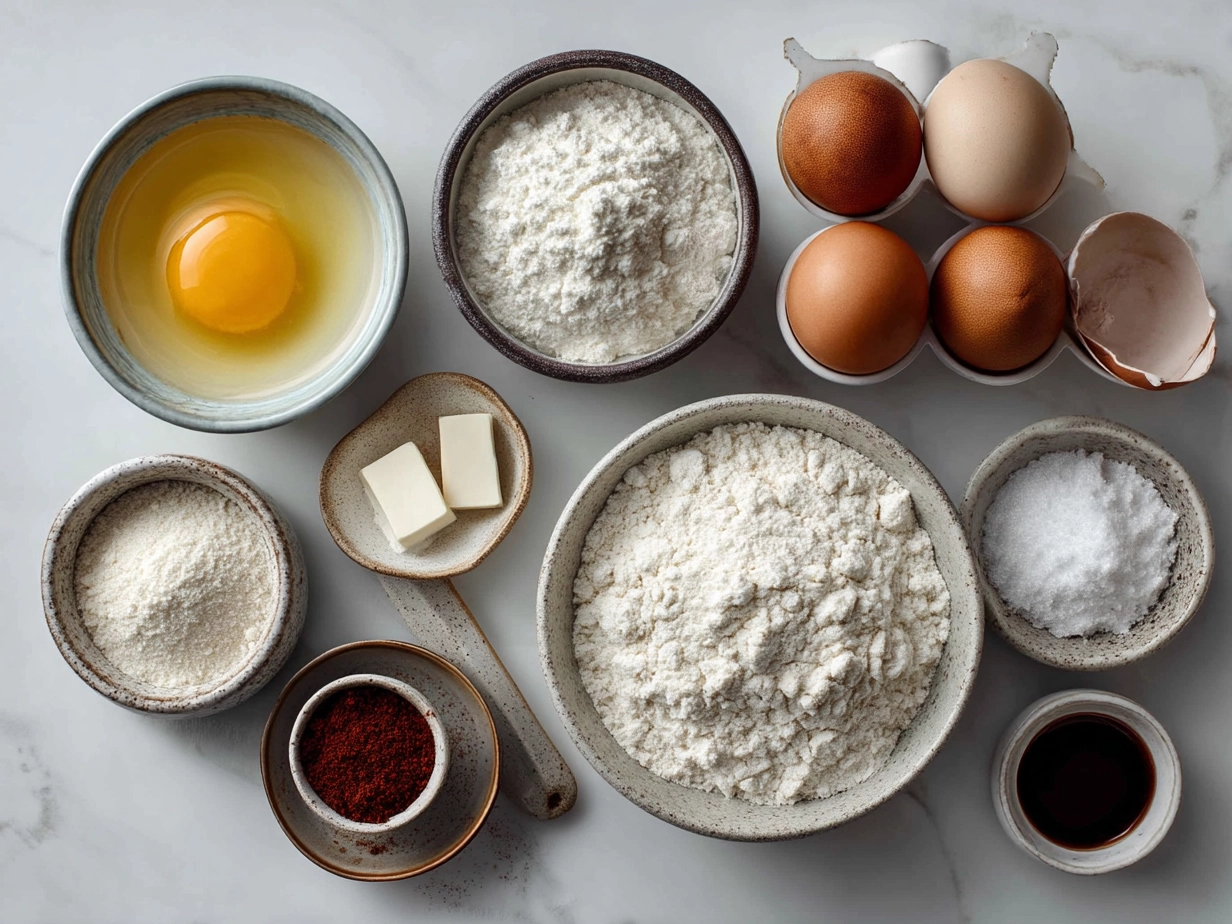
When it comes to making the perfect Polish Sernik, the ingredients list is delightfully simple but demands quality. Here’s what I always gather up before I start mixing:
- 2 pounds (900g) twarog cheese (you can substitute with farmer’s cheese or a well-drained cream cheese sernik blend depending on availability)
- 1 cup (200g) granulated sugar
- 4 large eggs
- 1/2 cup (115g) unsalted butter, softened
- 1 teaspoon vanilla extract
- 1/4 cup (30g) all-purpose flour
- Zest of one lemon
I swear by using fresh twarog cheese for an authentic taste and texture; my mom once told me, “The heart of a Polish Sernik is in the cheese.” When you shop for twarog, it’s often found in European delis or well-stocked specialty cheese sections; some stores sell a crumbly version designed especially for sernik recipes. If you can’t find it, a blend of cream cheese sernik with a bit of ricotta can work, though it slightly changes the traditional profile.
Here’s a Polish Sernik trick I learned early on: press the cheese through a fine sieve or give it a quick whirl in the food processor for a smooth, creamy texture—it makes a world of difference. For busy afternoons, pre-measuring ingredients and softening the butter ahead of time really saves the rush. Plus, if you happen to have any leftover cream cheese sernik, it stores beautifully in the fridge for up to two weeks, ideal for quick dessert tweaks.
I should also mention that using fresh eggs and real vanilla extract rather than imitations adds a depth to your Polish cheesecake that canned flavors just can’t match. To save a little, I usually buy these staples in bulk when they’re on sale. You can also make a batch of this traditional Polish cake’s base in advance and freeze it for later convenience, which is a lifesaver on hectic days. For those who want more ingredient insights, check out Polish Your Kitchen’s excellent guide on traditional Polish cheesecake (Polish Your Kitchen).
How to Make – Step-by-Step:
Making Polish Sernik is a rewarding process, and I like to walk you through it like we’re side by side in my kitchen. Ready? Let’s get started:
- Prep your oven and pan – Preheat to 350°F (175°C). Grease a 9-inch springform pan and line the bottom with parchment paper. Don’t worry if you don’t have a springform pan; a deep cake pan will also work, just be cautious while removing the cake.
- Prepare the cheese – As I mentioned, smoothness is key. I pass my twarog cheese through a sieve or use a food processor to avoid that grainy texture some Polish cheesecake beginners find off-putting.
- Cream the butter and sugar – Beat together softened butter and sugar until light and fluffy. This step is crucial for that airy feel in the final Polish Sernik.
- Add eggs one at a time – To prevent curdling and ensure smooth mixing, I add eggs gradually, blending after each addition. I learned the hard way with Polish Sernik that rushing this leads to a less-than-smooth batter.
- Incorporate the cheese and vanilla – Gently fold in the prepared twarog cheese and vanilla extract. Your Polish Sernik batter should feel silky and not too runny.
- Add flour and lemon zest – Sift in the flour to help bind the batter together, then stir in the lemon zest for that bright, signature zing. If you’re a fan of subtle citrus notes like I am, this addition truly enhances the traditional Polish cake experience.
- Bake carefully – Pour the batter into your prepared pan and bake for 50-60 minutes. Your Polish Sernik should develop a golden top and a slight firmness around the edges but still be a little soft in the center. This means it’s perfectly creamy once cooled.
- Cool gradually – Resist the urge to slice it immediately! Let your Polish Sernik cool in the pan for about an hour, then transfer to the fridge for a minimum of four hours or preferably overnight. This waiting time is when the flavors deepen and the texture sets beautifully.
During baking, I like to tidy up the kitchen or prep for the next meal—those moments of calm while the Polish cheesecake transforms are kind of magical. Your kitchen will fill with that lovely, slightly sweet aroma of baked cheese and lemon, a sure sign your Polish Sernik is coming along nicely.
If you want more detailed troubleshooting and recipes, you might find the classic Polish Sernik recipe at Polonist’s site helpful (Polonist). Also, for those who want a little extra inspiration, the dreamy white garlic pizza sauce (Dreamy White Garlic Pizza Sauce) is a surprising pantry companion while your sernik is resting!
Serving:
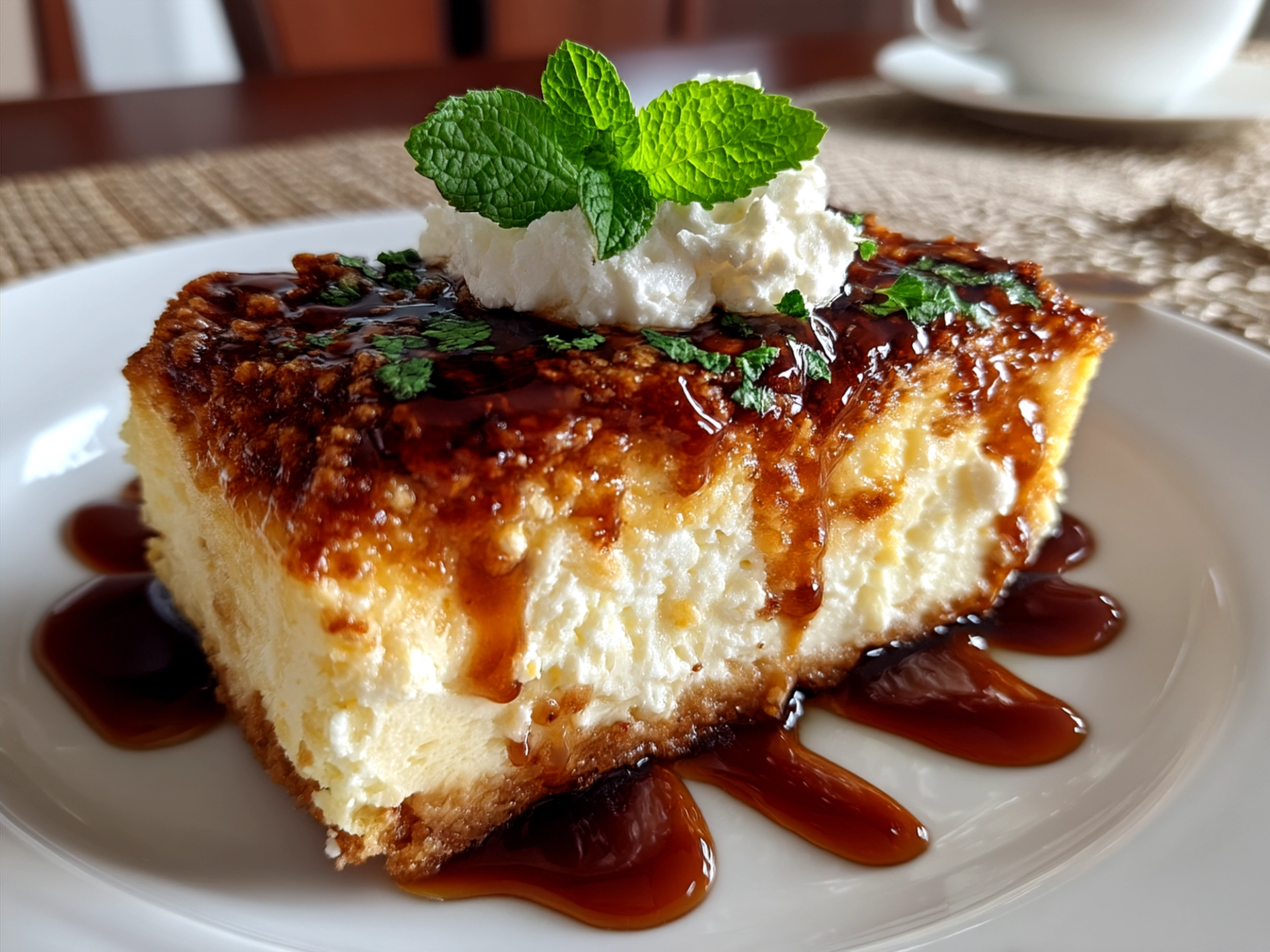
The best part of Polish Sernik? Watching my family’s faces light up when that first slice is served. The kids adore it with a dusting of powdered sugar and a side of fresh strawberries, while my husband prefers it simply with a spoonful of sour cherry preserves, bringing a tart contrast to the smooth twarog cheese dessert.
This traditional Polish cake is such a versatile treat—it fits in any season. We often break it out for holiday festivities, especially Christmas and Easter when memories of my own family’s Polish roots come alive. It’s equally wonderful as an after-dinner dessert or alongside afternoon tea. For a fresh twist, I’ve served Polish Sernik topped with seasonal fruit sauces or a dollop of whipped cream.
Presentation-wise, I find that slicing it with a hot knife (run it quickly under hot water and dry before each slice) gives the cleanest cuts and prevents crumbling. If you have leftover Polish Sernik, here’s a fun idea: crumble it into a parfait with yogurt and fresh berries for a quick breakfast or snack. It’s such a delightful way to savor every bit without waste.
Guests often ask for this Polish Sernik recipe after tasting it at our family gatherings, and I love pairing it with simple coffees or even a light dessert wine. To add a little comforting vibe while serving, I sometimes prepare the air fryer salmon recipe as a main course before dessert—a combo that never disappoints.
FAQs:
1. Can I substitute cream cheese for twarog in Polish Sernik?
You definitely can, and that’s actually a common adjustment outside of Poland. I sometimes use a cream cheese sernik mix when twarog is hard to find. The texture will be slightly different, creamier and less dense, but still delicious.
2. Why does my Polish Sernik crack on top?
Oh, I’ve faced this! It happens when the oven is too hot or the sernik cools too quickly. Baking at a steady temperature and letting it cool gradually in the oven with the door cracked can help avoid those cracks.
3. How do I know when my Polish Sernik is done?
Look for a golden top with slightly jiggly center. Remember, a slight wobble is okay because it sets more as it cools.
4. Is it okay to freeze Polish Sernik?
Yes! I wrap leftovers tightly and freeze them up to 2 months. Thaw in the fridge overnight and serve at room temp or chilled.
5. Can Polish Sernik be made without eggs?
Traditional recipes call for eggs for the right texture, but some vegan versions exist using flax or chia eggs. I haven’t tried this myself but have heard from readers who had success adapting the recipe.
6. What other toppings work well on Polish Sernik?
Fresh fruits, sweet jams like apricot or cherry, and even a light dusting of cocoa powder. My family loves trying new toppings for every occasion.
7. Can I make Polish Sernik ahead for a party?
Absolutely! It’s one of those desserts that tastes even better after sitting overnight, so plan ahead and save yourself the stress!
If you’re feeling stuck or want to explore more about the nuances of Polish Sernik, Everyday Healthy Recipes has some great FAQs and tips that helped me through early cooking phases too.
My Final Thoughts:
This Polish Sernik holds a special place in my heart because it’s more than just dessert—it’s a slice of heritage I get to share with my family and friends. Over the years, I’ve experimented with different versions: from a lighter cream cheese sernik to a classic twarog cheese dessert, even adding a touch of almond extract or swapping lemon zest for orange depending on the season.
My Polish Sernik Pro Tips:
- Always blend your twarog cheese smooth for that classic silky texture.
- Bake at a moderate temperature and cool your sernik slowly to avoid cracks.
- Make it a day ahead—Polish Sernik tastes best after resting in the fridge overnight.
Each family member has their favorite: my dad swoons over the richest cream cheese sernik, while my daughter prefers the lighter, fruit-topped traditional Polish cake version. I encourage you to take this recipe and adjust it to your tastes—the beauty of Polish Sernik is in its simplicity and versatility.
I hope you find as much joy making and sharing this Polish Sernik as I do. There’s comfort in these family recipes, and nothing beats a good slice paired with love and laughter in your own kitchen. And hey, if you want to mix things up a little before or after your baking, try out this fluffy sweet potato pancakes recipe for a fun twist on comfort food.
Happy baking, dear friend, and may your Polish Sernik become a beloved tradition!
Polish Sernik
Polish Sernik is a classic creamy cheesecake made with rich twaróg cheese, offering a delicate balance of sweet and tangy flavors perfect for dessert.
- Prep Time: 20 minutes
- Cook Time: 65 minutes
- Total Time: 1 hour 25 minutes
- Yield: 12 servings
- Category: Dessert
- Method: Baked
- Cuisine: Polish
Ingredients
- 1 kg twaróg (Polish farmer’s cheese) or ricotta
- 1 cup granulated sugar
- 4 large eggs
- 1/2 cup unsalted butter, softened
- 1/2 cup sour cream
- 1 tablespoon vanilla extract
- 1/4 cup all-purpose flour
- Zest of 1 lemon
- Pinch of salt
Instructions
- Preheat the oven to 350°F (175°C) and grease a 9-inch springform pan.
- In a large bowl, beat the softened butter and sugar together until creamy.
- Add the eggs one at a time, mixing well after each addition.
- Blend in the twaróg cheese, sour cream, vanilla extract, lemon zest, and salt until smooth.
- Fold in the flour gently until fully incorporated.
- Pour the batter into the prepared pan and smooth the top.
- Bake for 60-70 minutes, or until the center is set but slightly jiggly.
- Turn off the oven and leave the sernik inside with the door ajar for 30 minutes to cool gradually.
- Remove from oven, cool completely, then refrigerate for at least 4 hours before serving.
- Slice and enjoy your authentic Polish Sernik.
Notes
For an extra touch, serve chilled with fresh berries or a dusting of powdered sugar.