
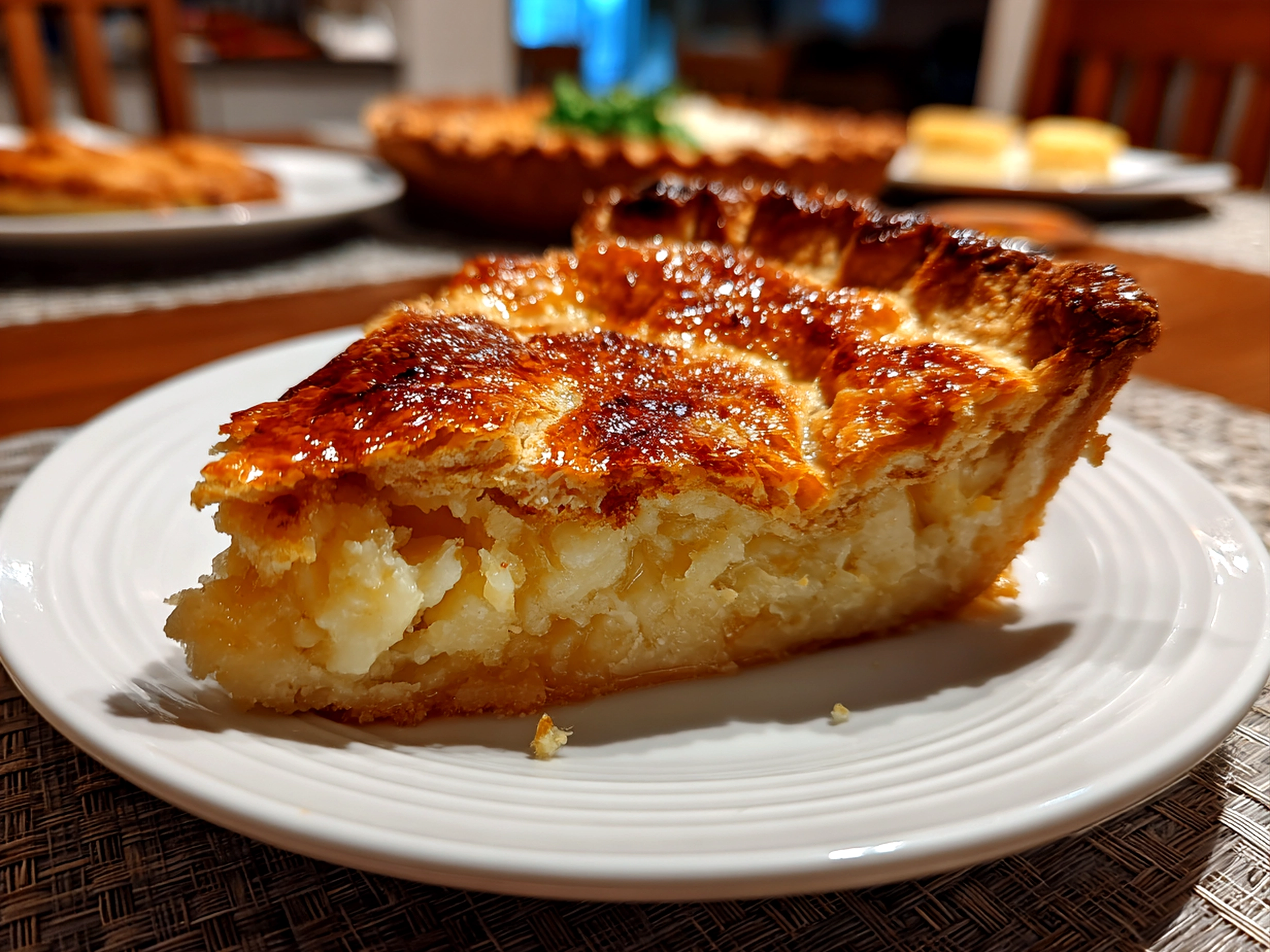
I still remember the first time I stumbled upon this magical Sourdough Discard Pie Crust recipe. I had just started keeping my own sourdough starter, and like many home bakers, I ended up with a pile of sourdough discard every week. Throwing it away felt like such a waste, so I spent time digging around, hoping to find a way to use that tangy, quirky starter discard. That’s when I found this gem of a Sourdough Discard Pie Crust that quickly became a household favorite. The moment I rolled out that easy sourdough discard pie dough and popped it into the oven, the intoxicating smell of butter and tangy dough took me right back to my grandma’s kitchen, except with a little homemade twist.
This crust isn’t just any pie crust—it’s a flaky sourdough discard crust that brings a depth of flavor and texture that’s honestly hard to beat. I’ll be honest, my early attempts at using sourdough discard in baking weren’t always successes, but once I nailed this homemade sourdough pie crust, I was hooked. It’s become my go-to, especially when life is busy, because it’s both forgiving and satisfying. I love how it fits seamlessly into our family meals, whether I’m making a savory pot pie after a hectic day or a sweet fruit pie to celebrate the weekend. Its versatility and that subtle tang make this pie crust stand out.
One of my favorite memories involving this pie crust was a rainy afternoon with the kids baking a blueberry pie using the sourdough discard crust recipe. It was messy—flour everywhere, laughs echoing all around—but when that perfectly golden crust came out of the oven, everyone was proud. Whether you’re an experienced baker or just learning, this sourdough discard pie crust will be a joy to make, and the rewards are delicious. And if you want a little breakfast inspiration using your starter discard too, you might enjoy some sourdough discard English muffins I often share around here.
I invite you to try this easy sourdough discard pie dough and see for yourself how bringing a humble ingredient like sourdough discard into your kitchen can lead to fantastically flaky crusts and happy family moments. Trust me, once you try this pie crust with sourdough starter discard, you’ll find it hard to go back to plain ol’ pie dough!
Ingredients:
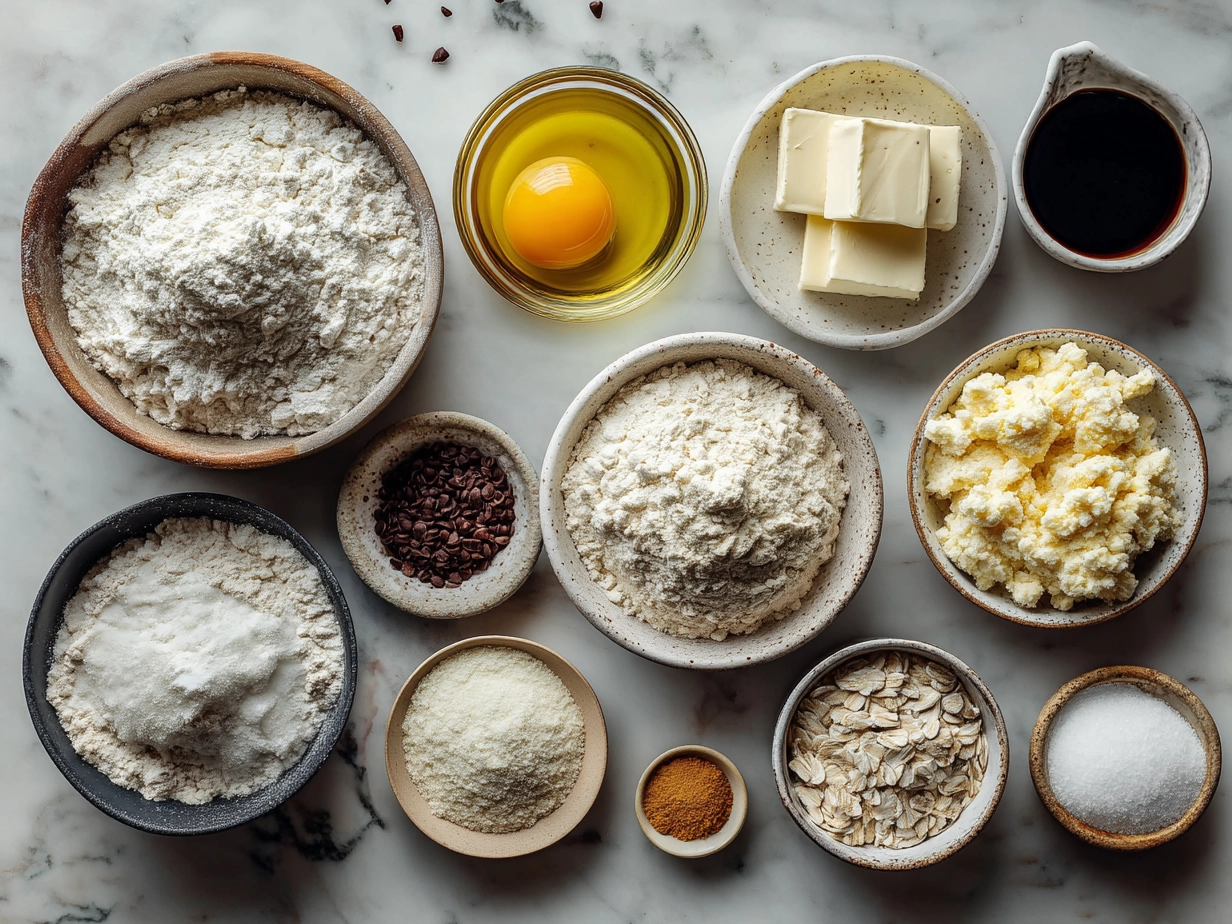
Here’s the list of what you’ll need to make your own flaky Sourdough Discard Pie Crust. I always use the best quality unsalted butter I can find for my sourdough discard pie crust because it really makes the crust tender and rich. When you’re making a pie crust with sourdough starter discard, it’s essential to have that cold butter ready to keep your dough flaky.
- 1 cup (227g) unsalted butter, very cold, cut into small cubes
- 1 cup (240g) sourdough starter discard, unfed and at room temperature
- 2 ½ cups (315g) all-purpose flour, plus extra for rolling
- 1 teaspoon salt
- 2-4 tablespoons ice water (only if needed to bring the dough together)
When shopping for ingredients for this homemade sourdough pie crust, you might find cold, high-fat butter in the dairy section of your grocery store. Sometimes I snag a store brand if it’s on sale, which helps keep the cost down without sacrificing flaky texture. A little kitchen wisdom I’ve picked up? Always keep your sourdough discard in the fridge if you know you won’t be baking right away, so it stays fresh for pie crusts or other recipes—like some wonderful sourdough discard blueberry bread I bake for early mornings.
Another helpful tip is to measure your flour correctly by spooning it into your measuring cup and leveling it off rather than scooping directly—this avoids making the dough too dry. If time is tight, you can prepare the dough the day before, wrap it in plastic, and refrigerate it overnight to let the flavors come together. Plus, if you end up with leftover sourdough discard, keep it frozen in small portions so you have it ready for another batch of pie crust or treats like the apple cider donuts bread I like making in fall.
How to Make – Step-by-Step:
Ready to make this easy sourdough discard pie dough? Follow along—this step-by-step will have you feeling confident to make a flaky sourdough discard crust even if you’re new to working with sourdough discard.
- Cut the butter into your flour and salt. Working quickly, use a pastry cutter, two forks, or your fingertips to blend the cold butter cubes into the flour and salt until the mixture looks like coarse crumbs with some pea-sized pieces. I learned the hard way with sourdough discard pie crust that if you overwork the butter here, the crust can become tough—so keep it cool and crumbly.
- Mix in the sourdough starter discard. Add all the sifted sourdough starter discard to the bowl. Mix gently with a fork or your hands until it starts coming together. You might find the dough crumbly; that’s okay. The sourdough discard gives this crust that perfect tang and helps with the texture.
- Add ice water if needed. If your dough feels too dry and doesn’t hold when squeezed, add ice water a tablespoon at a time until the dough just forms together. Don’t make it wet, though—it should stay a bit shaggy and firm. In my kitchen, the easy sourdough discard pie dough usually takes about 10 minutes from start to finish to bring together.
- Divide and chill the dough. Turn the dough out onto a lightly floured surface, divide in half, and shape each half into a flat disc. Wrap tightly in plastic wrap and refrigerate for at least one hour—or up to 48 hours. Chilling helps the fat firm back up and improves your flaky sourdough discard crust.
- Roll out the dough. When ready, sprinkle your workspace and rolling pin with flour. Roll each disc into a circle about 12 inches in diameter. If it’s sticking or cracking, don’t fret—just gently patch any tears.
- Use for your pie! Place the bottom crust in your pie pan, fill as desired, and top with the other crust or create a lattice pattern. This homemade sourdough pie crust smells heavenly as it bakes, with a buttery, tangy aroma that fills the kitchen.
- Bake and enjoy! You can blind bake the crust for savory pies or bake whole pies with filling. While waiting, I often start cleaning or prepare our cozy sides—makes the whole process feel smoother.
If you want to master techniques for tough spots, such as handling sticky dough or chilling, I found some helpful tips in this external pie crust troubleshooting guide. Also, if you’re curious about how sourdough discard behaves in other doughs, check out recipes like sourdough discard English muffins for extra inspiration.
Serving:
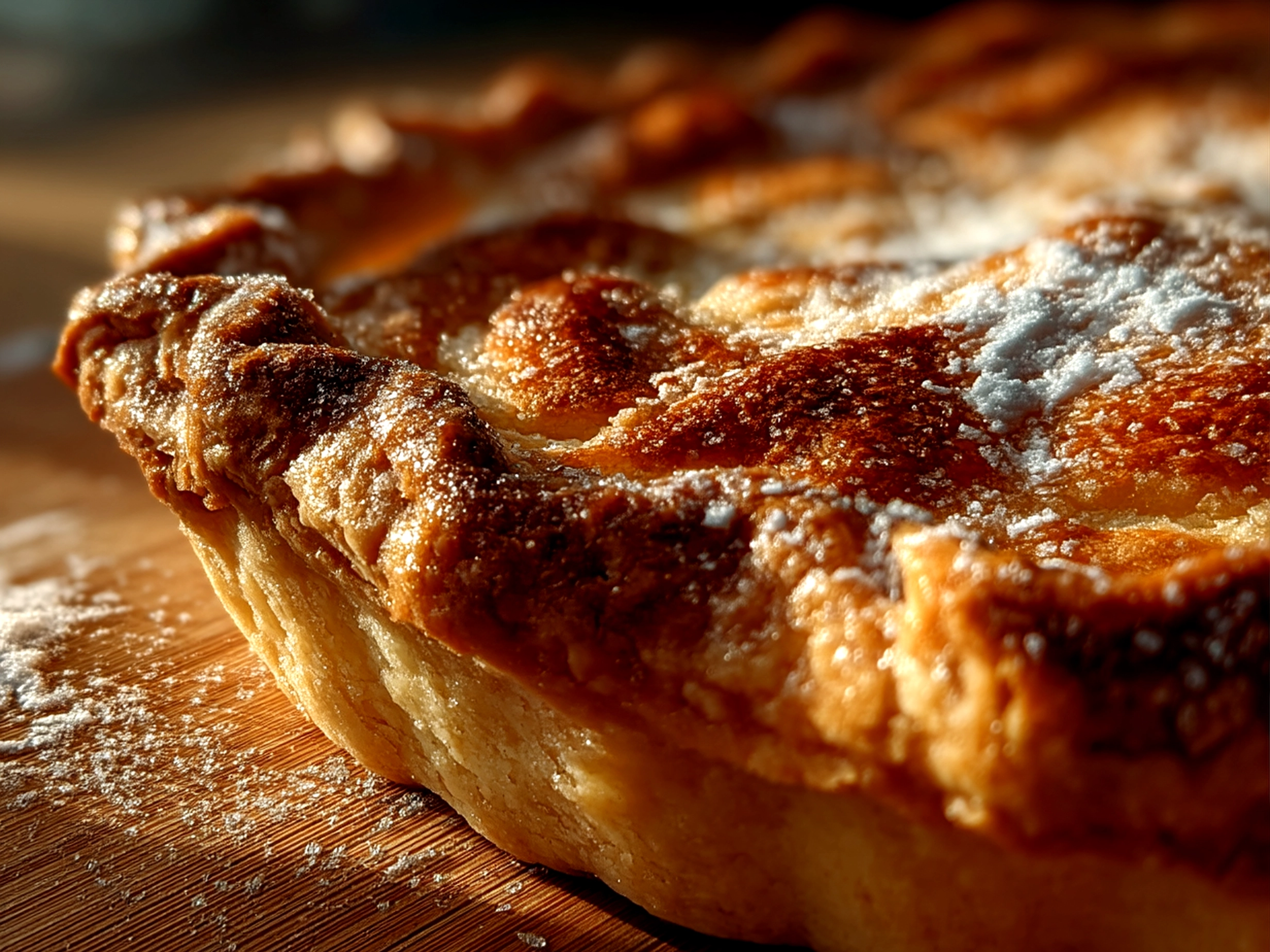
The joy of this Sourdough Discard Pie Crust is not just in making it, but in sharing it with family around the table. The kids love our sourdough discard pie crust especially when I fill it with homemade chicken pot pie—there’s just something about that flaky sourdough discard crust that makes them ask for seconds.
I usually pair this pie crust with simple, comforting sides like roasted root vegetables or a fresh garden salad. The tangy richness of the sourdough discard crust balances beautifully with sweet or savory fillings and hearty sides. This crust is perfect for holiday dinners, weekend brunches, or even casual weeknight meals. Honestly, it’s a staple for me during fall and winter.
For presentation, I’ve found brushing the crust with egg wash before baking gives it that classic golden glow that guests always notice. And if I have leftover sourdough discard pie crust scraps, I quickly turn them into sweet cinnamon sugar twists or savory herb crackers—nothing goes to waste in my kitchen.
When friends come over, they always want the recipe for this pie crust with sourdough starter discard, amazed at how tender yet sturdy it is. If you love trying seasonal twists, using sweet potato puree in the filling or swapping in fresh berries transforms the pie into a new favorite. For pairing ideas and presentation inspiration, I often browse cozy dinner ideals on Food52 and Bon Appétit.
FAQs:
1. What if my sourdough discard is really runny?
You can still use it! Just reduce any extra water in the dough. I sometimes adjust the ice water amount if my discard is looser. Keep the dough cool to help it come together.
2. Can I use whole wheat flour for this pie crust?
Absolutely! Using whole wheat adds great flavor but the texture will be a bit denser. I often do a half-and-half mix for a rustic flaky sourdough discard crust that my family loves.
3. How do I prevent the edges from burning?
Cover the crust edges with foil halfway through baking, or use a pie shield. This is a lifesaver I learned the hard way when my first homemade sourdough pie crust edges browned too fast!
4. Can I freeze this pie crust dough?
Yes! Wrap discs tightly in plastic wrap and foil, then freeze. Thaw overnight in the fridge before rolling to keep it an easy sourdough discard pie dough to work with.
5. Will the crust be too sour?
Not at all. The sourdough starter discard adds a subtle tang that complements both sweet and savory pies. If you want less tang, use fresher discard or reduce the amount slightly.
6. What’s the best fat to use?
Butter works best for that flaky sourdough discard crust. I’ve tried oils and shortening, but butter just gives the best flavor and texture. Plus, it’s worth splurging a bit here.
7. Can I double the recipe?
Of course! Just mix ingredients accordingly, but be sure to keep butter cold and don’t overwork the dough. Big batches refrigerate nicely and you can freeze dough for later.
If you have more questions, I often recommend checking out helpful community forums like the Breadtopia sourdough discussion or reviewing troubleshooting tips at King Arthur Baking. Also, watching video tutorials on sourdough discard crust recipe techniques can be a real confidence booster.
My Final Thoughts:
This Sourdough Discard Pie Crust recipe holds a special place in my heart because it took something often wasted and transformed it into moments of joy and warmth for my family. It’s proof that a little creativity in the kitchen can turn sourdough discard into something truly special.
My Sourdough Discard Pie Crust Pro Tips:
– Keep your butter ice cold for the flakiest crust.
– Don’t overwork the dough — a shaggy dough is perfect!
– Chill the dough at least an hour, but preferably overnight for the best texture and flavor.
Over the years, I’ve tried this homemade sourdough pie crust as a base for savory chicken pot pies, sweet berry pies, and even savory quiche. My husband loves it with hearty meat pies, while my kids prefer it in fruit-filled desserts. I encourage you to put your own spin on this easy sourdough discard pie dough and make it your own family favorite too.
If you enjoyed this, don’t forget to check out my other favorite sourdough discard recipes like the sourdough discard English muffins or the tangy sourdough discard blueberry bread. I hope your time making this sourdough discard pie crust brings as much happiness to your kitchen as it has to mine. Happy baking, friend!
Sourdough Discard Pie Crust

This sourdough discard pie crust is a flaky, buttery base perfect for both sweet and savory pies, making use of leftover starter to reduce waste.
- Prep Time: 15 minutes
- Cook Time: 0 minutes
- Total Time: 75 minutes
- Yield: 1 9-inch pie crust
- Category: Dessert
- Method: Baked
- Cuisine: American
Ingredients
- 1 cup sourdough discard
- 1 1/4 cups all-purpose flour
- 1/2 teaspoon salt
- 8 tablespoons cold unsalted butter, cut into small cubes
- 3 to 4 tablespoons ice water
- 1 teaspoon sugar (optional, for sweet pies)
Instructions
- In a large bowl, mix the flour, salt, and sugar (if using).
- Add the cold butter cubes and use a pastry cutter or your fingers to blend until the mixture resembles coarse crumbs.
- Add the sourdough discard and mix gently to combine.
- Slowly add ice water, one tablespoon at a time, mixing until the dough just comes together.
- Form the dough into a ball, flatten into a disk, wrap in plastic wrap and refrigerate for at least 1 hour.
- Roll out the chilled dough on a floured surface to the desired pie size.
- Place the dough into a pie dish, trim the edges, and chill again before filling and baking according to your pie recipe.
Notes
For a flakier crust, use cold ingredients and avoid overworking the dough. You can freeze leftover dough for up to a month.