
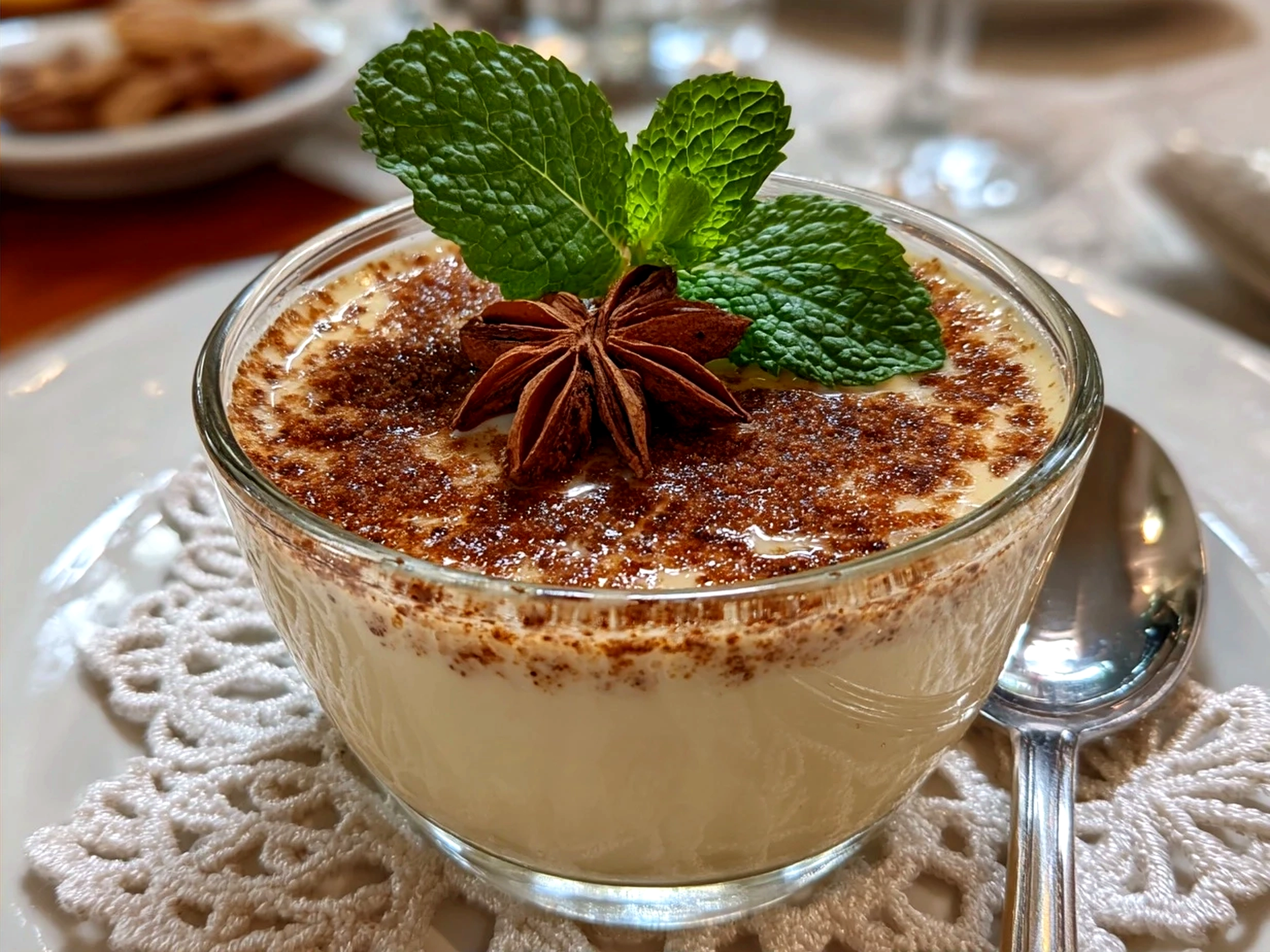
There’s something so magical for me about making Puerto Rican Coquito that instantly takes me back to those cozy holiday mornings in my kitchen. The rich aroma of cinnamon and coconut wafting through the air feels like a warm hug from my abuela, even though she’s miles away. This Puerto Rican Coquito recipe has truly become a beloved staple in my family. The first time I attempted it, I was a little overwhelmed by the mix of traditional coquito ingredients, but the moment I took my first creamy sip of that Puerto Rican coconut eggnog, I knew it was going to be a regular feature in our holiday routine. Honestly, I’ve had my share of kitchen misadventures with it—like that one time I forgot to blend the condensed milk well and ended up with a slightly lumpy coquito! But those little hiccups only made me more determined to perfect this creamy Caribbean holiday drink.
Our busy family life calls for recipes that are both quick and satisfying, and this Puerto Rican rum cocktail fits right in. It’s such a crowd-pleaser, especially when the holidays roll around and everyone wants that nostalgic taste. I love how it unites the zest of Caribbean traditions with our everyday gatherings. And if you’re wondering where I first found this recipe, it was through old family notes mixed with a few tips I gathered online, like at Simply Recipes’ Coquito (Puerto Rican Coconut Eggnog) Recipe and Butter Be Ready’s Coquito (Puerto Rican Coconut Rum Cocktail), which helped me tweak the right balance to make it uniquely mine.
If you’ve never tried making Puerto Rican Coquito yourself, don’t worry—I’m here to walk you through the whole journey, from choosing the best traditional coquito ingredients to serving tips that will have your family begging for more. Let’s dive in and make this time-honored Caribbean holiday drink part of your own family story.
Ingredients:
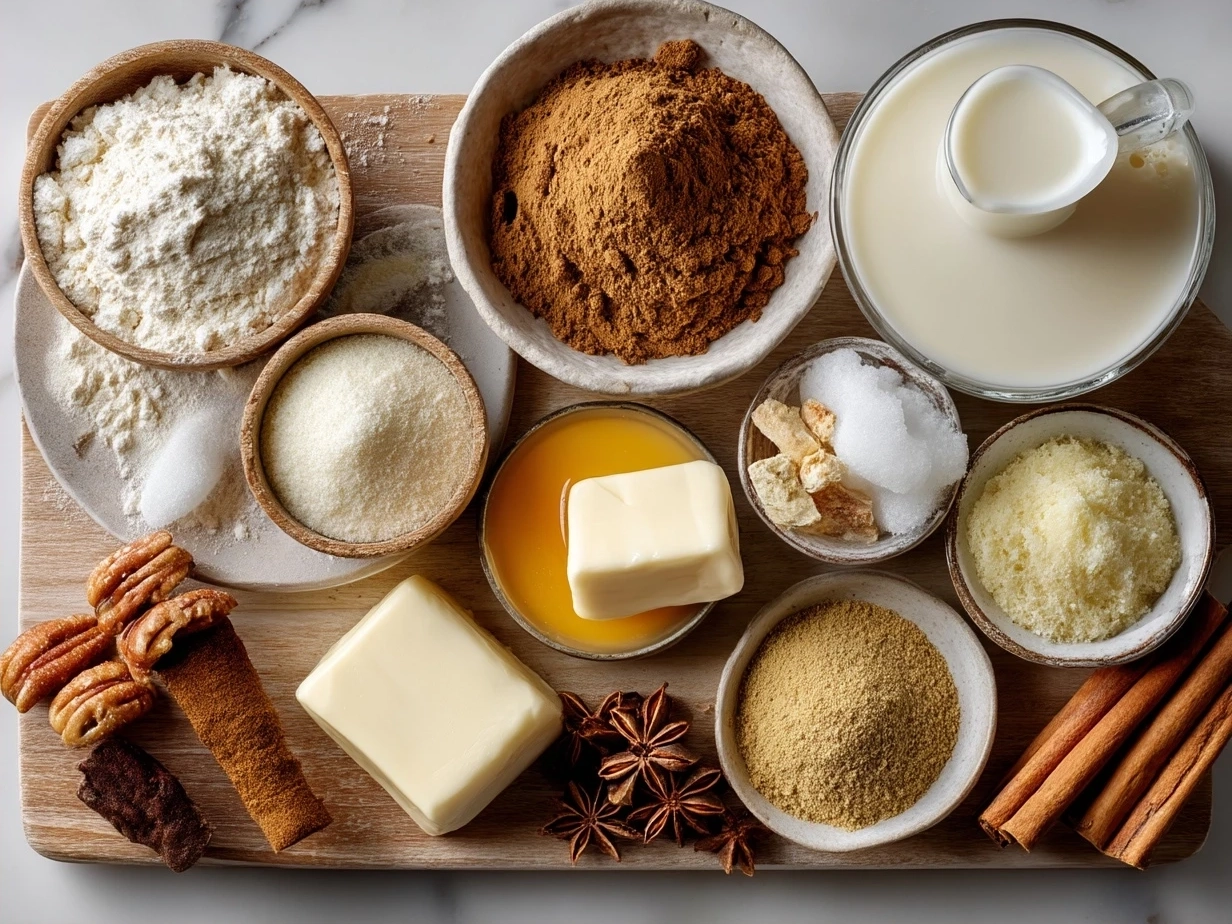
For my Puerto Rican Coquito, I always start with these traditional coquito ingredients that bring out the perfect balance of creamy sweetness and festive warmth:
- 1 can (12 oz) evaporated milk – I find evaporated milk gives it that silky smooth body without being too heavy.
- 1 can (14 oz) sweetened condensed milk – This adds the perfect sweetness; don’t skimp here!
- 1 can (15 oz) cream of coconut – You can find this in the Latin section or at specialty stores; it adds such authentic tropical flavor.
- 1 can (13.5 oz) coconut milk – For that rich coconut backbone.
- 1 cup white Puerto Rican rum – This is my go-to for the Puerto Rican rum cocktail vibe, but you can adjust a little for your taste.
- 1 teaspoon vanilla extract – Just a touch to round the flavors.
- 1 teaspoon ground cinnamon – This is non-negotiable; it’s what gives the drink that signature cozy spice.
- ½ teaspoon ground nutmeg – Adds subtle warmth that makes the Puerto Rican coconut eggnog feel truly special.
- Cinnamon sticks for garnish (optional)
When making Puerto Rican Coquito, I always suggest shopping at stores like Fiesta or Aldi, where you can find canned coconut milk and cream of coconut at a good price. One kitchen trick my mom taught me is to keep the cans of coconut milk in the fridge overnight so the cream thickens and is easier to scoop out—this small step really improves the texture.
For busy families, prepping the traditional coquito ingredients ahead and storing them in your fridge saves so much time on the day you decide to make your Puerto Rican Coquito. If you buy in bulk, you’ll also save money because these ingredients last a good while unopened. Plus, leftovers from coconut milk or cream of coconut can be great in smoothies or African peanut soup (another favorite of mine, by the way!).
How to Make – Step-by-Step:
Getting started on your Puerto Rican Coquito feels a little intimidating, but don’t worry if your first batch feels a little off. I’ve made plenty of batches with varying textures and learned my way around adjustments! Here’s how I make my Puerto Rican Coquito at home:
- Combine all the liquids: In a blender, add the evaporated milk, sweetened condensed milk, cream of coconut, coconut milk, and white rum. Blending helps marry all those traditional coquito ingredients faster than stirring by hand.
- Add your spices: Toss in the ground cinnamon, nutmeg, and vanilla extract. Your kitchen should start smelling like a Caribbean holiday drink paradise right now.
- Blend thoroughly: I usually blend for about 2 minutes to get everything smooth. This is a step I never skip—lumpy Puerto Rican coquito? No, thanks! If the texture is too thick, add a little milk or rum, just until it’s creamy but pourable.
- Taste and adjust: Sometimes, I sneak a little extra rum or cinnamon if it feels like it needs a boost. Everyone’s taste buds are different, and that’s the beauty of a homemade Puerto Rican Coquito.
- Chill: Pour the mixture into a large jar or bottle and refrigerate for at least 4 hours, but overnight is my preference. The flavors blend beautifully while chilling. Keep a cinnamon stick in the bottle for a gentle infusion.
In my kitchen, Puerto Rican Coquito usually takes about 10 minutes to prepare and several hours to chill, which is perfect because then I can clean up or prep other holiday dishes. While the Puerto Rican Coquito is chilling, I love making savory sides or browsing family photos that trigger those warm memories of past holiday celebrations.
If your Puerto Rican Coquito is too thick, don’t panic! I learned the hard way with Puerto Rican Coquito that a splash of coconut milk or more rum can fix the consistency right up. And if you want to speed things along, pop the batch in the freezer for 30 minutes, just don’t forget to stir it well so it doesn’t freeze solid.
If you want a slightly different spin on the traditional coquito ingredients, Sense & Edibility’s Authentic Coquito – Sense & Edibility has great tips, especially on the blending techniques and spice choices.
Serving:
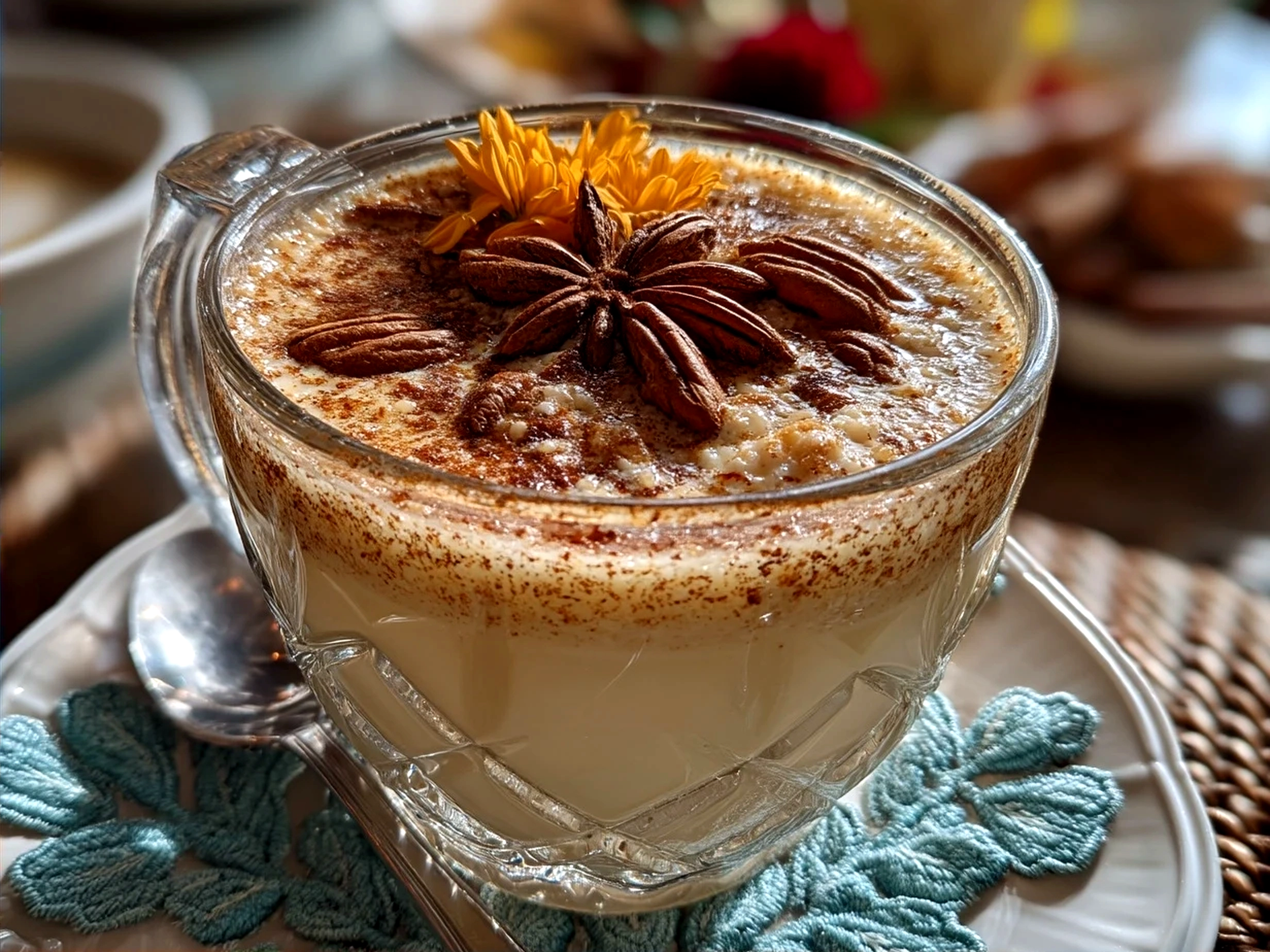
The best part of making Puerto Rican Coquito is sharing it. My whole family, from the littlest cousins to the grumpy teenagers, looks forward to this Puerto Rican Coquito every holiday season. The kids especially love when I rim the glasses with coconut flakes or a soft cinnamon dusting. It turns this classic Caribbean holiday drink into a festive treat that feels extra special.
I usually serve Puerto Rican Coquito alongside warm, comforting dishes like arroz con gandules or little empanadas. The creamy texture and spicy kick from the cinnamon make it a fantastic complement to savory foods. Plus, these pairings bring out the best in the Puerto Rican rum cocktail’s festive character.
This Puerto Rican Coquito is perfect for celebrations like Christmas morning, New Year’s Eve gatherings, or even a tropical-themed brunch party. And if you find yourself with leftover Puerto Rican Coquito (which sometimes happens because it’s so easy to sip!), try freezing some in popsicle molds for a fun adult treat or stirring it into your morning coffee for a sweet pick-me-up.
For a seasonal twist, I’ve mixed in a bit of pumpkin spice or swapped the white rum for spiced rum, which gives the Puerto Rican Coquito an autumnal vibe that my husband especially loves. My friends always ask for this Puerto Rican Coquito recipe after tasting it, and I’m happy to share the love. Want to see more fun ways I serve my Puerto Rican Coquito? Check out this detailed recipe guide at Butter Be Ready’s coquito page.
FAQs:
Q: Can I make Puerto Rican Coquito without alcohol?
Absolutely! I often make a batch alcohol-free for family members who prefer that. Just skip the rum and add a little extra coconut milk or evaporated milk to keep the texture lush. You still get that classic Puerto Rican coconut eggnog flavor without the buzz.
Q: How long does Puerto Rican Coquito last?
In my experience, Puerto Rican Coquito keeps well up to two weeks in the refrigerator if stored in an airtight container. Some families say it tastes even better after a few days when the flavors have fully melded. Just give it a little shake before serving.
Q: What’s the difference between coquito and eggnog?
Coquito is often called Puerto Rican coconut eggnog, but the main difference is the presence of coconut milk and cream of coconut in coquito, which gives it a tropical flair distinct from traditional eggnog. Also, traditional coquito ingredients usually don’t include eggs, making it a smoother, creamier Caribbean holiday drink.
Q: I’m worried about the texture. My coquito was lumpy last time. Any tips?
You’re not alone! The trick is pure blending. Also, avoid shaking the mixture vigorously after chilling—that can cause separation. Instead, gently stir or blend again for a few seconds before serving. Using canned cream of coconut rather than fresh cream helps with consistency too.
Q: Can I make Puerto Rican Coquito ahead for a party?
Definitely! I usually prepare mine a day or two in advance so the flavors can marry beautifully. It makes party prep so much smoother.
Q: Can I substitute different kinds of rum?
White Puerto Rican rum is traditional and gives the authentic Puerto Rican rum cocktail kick, but you can experiment with spiced or dark rum for a more robust flavor. Just keep the quantity balanced so it doesn’t overpower the creamy sweetness.
Q: Any family quirks with Puerto Rican Coquito?
Funny you ask! My family always insists on adding a little extra cinnamon on top before serving, and passing around the cinnamon sticks. It’s those little touches that make this recipe truly our own.
If you want some quick fixes or alternative ideas, readers have found helpful advice on Sense & Edibility’s Authentic Coquito guide which covers many Puerto Rican Coquito questions in depth.
My Final Thoughts:
Puerto Rican Coquito holds such a cozy spot in my heart — it’s more than just a Caribbean holiday drink; it’s a bottle full of family memories, laughter, and warmth. My Puerto Rican Coquito Pro Tips? Always blend thoroughly for smoothness, chill it overnight for the best flavor, and don’t be shy with the cinnamon. These little touches make all the difference.
I’ve tried variations like adding a pinch of cloves for an extra spiced feel, using almond milk for a lighter version, and even a chocolate-coquito twist that my kids adore. Each family member has their favorite version, with my niece preferring the alcohol-free version and my husband loving a little extra rum for that real Puerto Rican rum cocktail edge.
If you try this Puerto Rican Coquito recipe, I hope it fills your kitchen and home with as much joy as it has in mine. Feel free to make it your own, tweak the sweetness, or spice levels—after all, that’s part of the fun. And if you love this, you might also enjoy cozy soups like African peanut soup to round out your festive menu.
Remember, every batch of Puerto Rican Coquito is a new chance to make memories, so pour yourself a glass, sip slowly, and savor the love and history in every creamy drop. Cheers to your Puerto Rican Coquito journey!
Puerto Rican Coquito
Puerto Rican Coquito is a creamy, coconut-based holiday drink traditionally made with rum, sweetened condensed milk, and warm spices, perfect for festive celebrations.
- Prep Time: 10 minutes
- Cook Time: 0 minutes
- Total Time: 4 hours 10 minutes
- Yield: 6 servings
- Category: Dessert
- Method: No-Cook
- Cuisine: Puerto Rican
Ingredients
- 1 can (13.5 oz) coconut milk
- 1 can (12 oz) evaporated milk
- 1 can (14 oz) sweetened condensed milk
- 1 cup white rum
- 1 teaspoon vanilla extract
- 1 teaspoon ground cinnamon
- 1/2 teaspoon ground nutmeg
- 1/2 teaspoon ground cloves
- 1/4 teaspoon salt
- Cinnamon sticks (for garnish, optional)
Instructions
- In a blender, combine the coconut milk, evaporated milk, and sweetened condensed milk.
- Add rum, vanilla extract, ground cinnamon, nutmeg, cloves, and salt.
- Blend until all ingredients are well combined and smooth.
- Pour the mixture into a sealed bottle or jar and refrigerate for at least 4 hours or overnight to allow flavors to meld.
- Shake well before serving chilled in small glasses.
- Garnish with a cinnamon stick if desired.
Notes
For a thicker consistency, you can add a little cream of coconut or reduce the evaporated milk. Adjust rum quantity to taste or omit for a non-alcoholic version.