
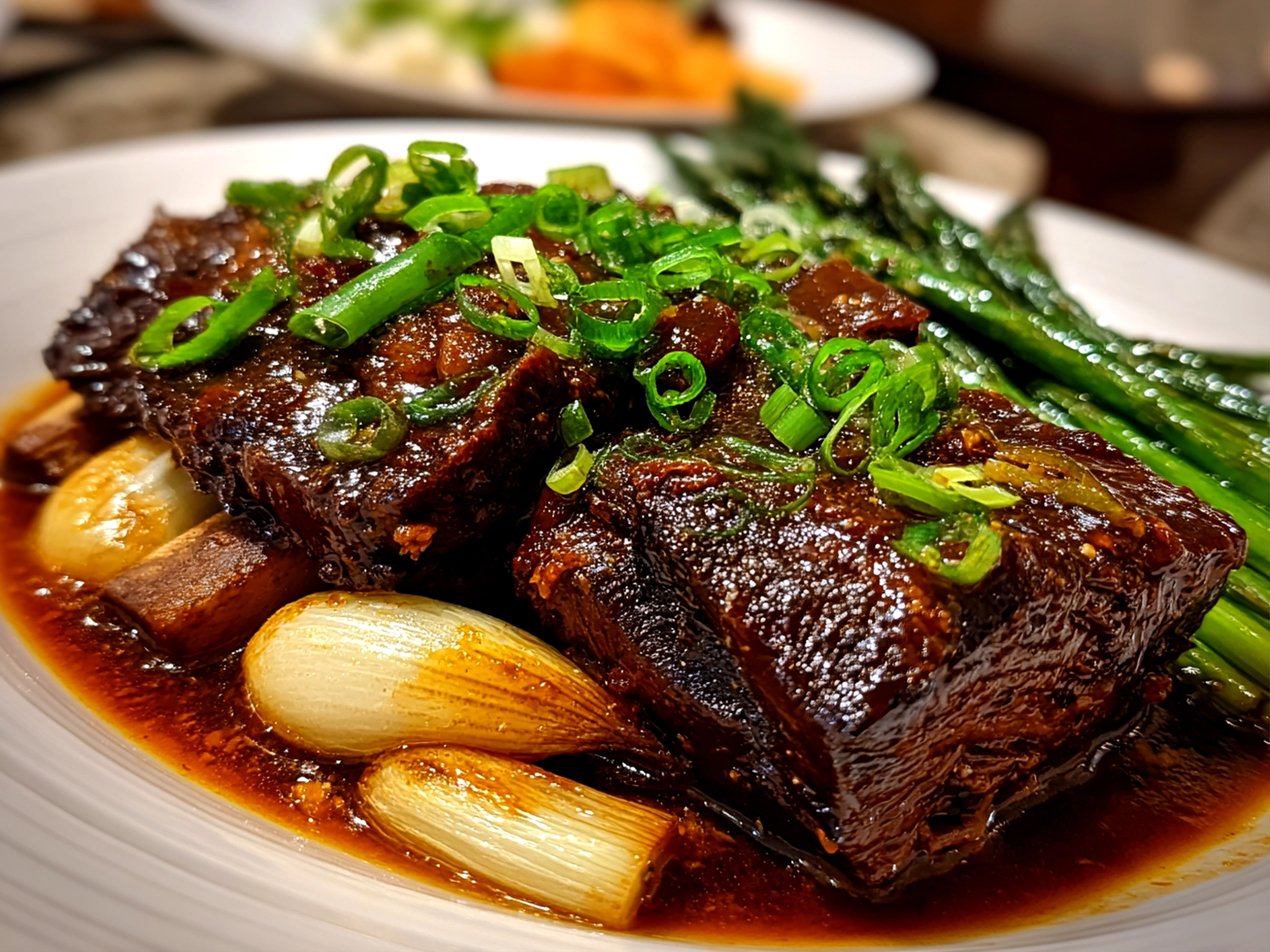
The smell of rich, fragrant spices and tender meat sizzling in the pot always takes me back to the first time I made Korean Pot Roast. I remember standing in my little kitchen, nervous but excited, the air thick with the sweet and savory scent of Korean soy sauce pot roast simmering gently on the stove. This dish quickly became a staple in my family’s dinners because it’s the kind of meal that brings everyone to the table—not just because it tastes incredible, but because it fills the house with warmth and comfort. Our versions of braised beef Korean style meals can sometimes be a bit of a challenge to perfect; I mean, we’ve all been there with Korean Pot Roast when the meat ended up too dry, or maybe the sauce was too salty. It took some trial and error—and let’s be honest, a few moments of panic when I thought the whole pot was ruined—but that’s exactly what turned this recipe into our go-to galbi jjim inspired pot roast favorite.
What I absolutely love about Korean Pot Roast is how it fits right into our busy family lifestyle. It’s one of those “set it and forget it” recipes, perfect for slow cooking while you’re tackling a million other things—whether that’s helping with homework or preparing a quick snack. There’s something soothing about knowing that, in just a few hours, you’ll have a pot of tender Korean slow-cooked beef ready to serve. My kids especially enjoy the spicy Korean pot roast variation when I add a little extra kick, though the classic Korean soy sauce pot roast version is the one that wins their hearts every time. If you’re curious and want to dive a bit into this Asian-style pot roast scene with me, I came across a lovely story and recipe over on Asian-style pot roast with tender beef and radish that inspired me to tweak my own version.
Let me invite you to pull up a chair, because making Korean Pot Roast is truly one of those cozy experiences I want to share. It’s about more than just a meal—it’s about tradition, flavor, and those little kitchen moments where something wonderful comes together. And if you stick around, I’ll also share some kitchen wisdom, shortcuts, and even a few fails along the way that have helped me nail down the perfect pot roast every time.
Ingredients:
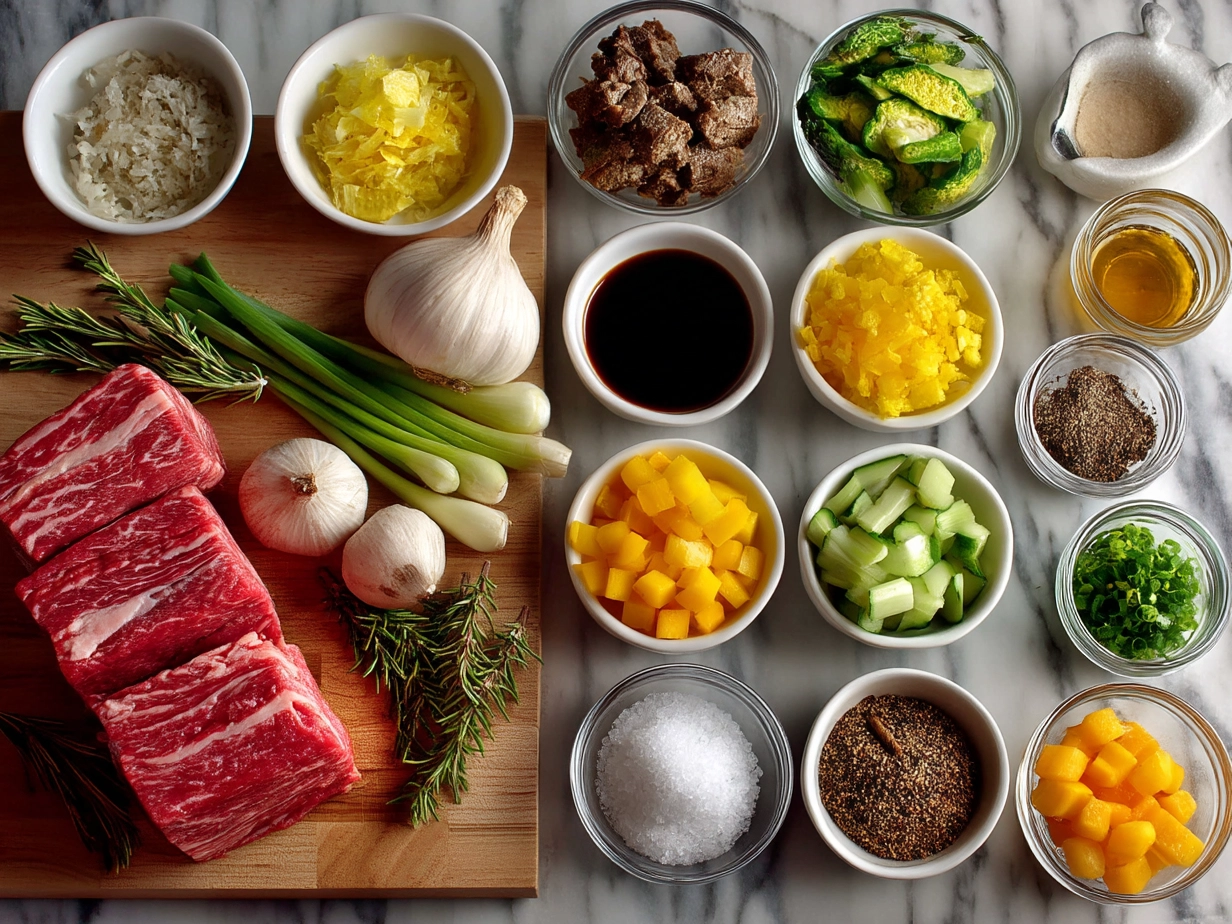
For my Korean Pot Roast, I always start with quality ingredients because they make all the difference in the final dish. Here’s what I usually have on hand:
- 3 to 4 pounds chuck roast (the cut I prefer for Korean slow-cooked beef, as it breaks down perfectly into tender pieces)
- 1 cup Korean soy sauce (look for naturally brewed brands for deeper flavor; when making Korean Pot Roast, you can find this at most Asian grocery stores or even some well-stocked supermarkets)
- 1/2 cup brown sugar (balances the saltiness of the soy sauce perfectly)
- 1/4 cup rice wine or mirin (for that slightly sweet, subtle tang)
- 1 tablespoon minced garlic (because you can never go wrong with garlic in Korean soy sauce pot roast)
- 1 tablespoon minced ginger (adds warmth and freshness)
- 2 medium carrots, sliced into chunks
- 1 large daikon radish, peeled and cut into thick pieces (a key element for the galbi jjim inspired pot roast)
- 1 large onion, quartered
- 2 to 3 green onions, chopped for garnish
- 1 teaspoon black pepper
- 1 to 2 teaspoons red pepper flakes (gochugaru) (if you’re feeling adventurous and want a spicy Korean pot roast)
Here’s a Korean Pot Roast trick I learned from my mom: always brown your beef before you add the liquid. It’s an extra step but really seals in those rich flavors and gives the finished dish a lovely depth. I also appreciate buying these ingredients in bulk during sales—especially the Korean soy sauce and gochugaru—to keep costs down but still enjoy authentic flavor. Leftover marinades and sauces can be stored tightly in the fridge for up to a week, which is great for quick Korean Pot Roast dinners later on.
If you want more tips on ingredients or how to prep them quickly, there’s a helpful thread over at Any chuck roast ideas? : r/KoreanFood, packed with reader questions and advice.
How to Make – Step-by-Step:
Alright, grab your apron, because making Korean Pot Roast is all about patient love and simple steps. Don’t worry if your Korean Pot Roast doesn’t look perfect at first—everyone’s kitchen is different, and I’ve learned the hard way with Korean Pot Roast that the slow cooking time is key to tender, melt-in-your-mouth beef.
- Brown the roast: Heat a tablespoon of oil in a large Dutch oven or heavy pot over medium-high heat. Brown the beef chuck on all sides—it should develop a nice crust. This locks in the flavor and juices for your Korean slow-cooked beef.
- Prepare the sauce: In a bowl, mix your Korean soy sauce, brown sugar, rice wine, garlic, ginger, pepper, and red pepper flakes if using. Pour this over the browned meat.
- Add vegetables: Toss in the carrots, daikon radish, and onions around the roast—these veggies will soak up that heavenly braised beef Korean style flavor as they cook.
- Simmer low and slow: Cover the pot and reduce the heat to low. Let your Korean Pot Roast gently braise for 3 to 4 hours. In my kitchen, Korean Pot Roast usually takes the afternoon to cook; I like to start early so it’s ready by dinner. Check occasionally to make sure it has enough liquid but avoid lifting the lid too often.
- Final touches: Towards the last 30 minutes, you can thicken the sauce if you like by mixing a little cornstarch with cold water and stirring it in. It turns your Korean soy sauce pot roast sauce into a glorious glaze.
While the Korean Pot Roast is cooking, I often clean up the kitchen or prep a quick side. The house fills with that rich aroma that makes the wait worthwhile. Your Korean Pot Roast should smell savory with a hint of sweetness and a bit of spice if you added gochugaru.
For more tips and a great slow cooker method, you might find this Crockpot Korean Inspired Pot Roast AMAZING!!! post super helpful.
Serving:
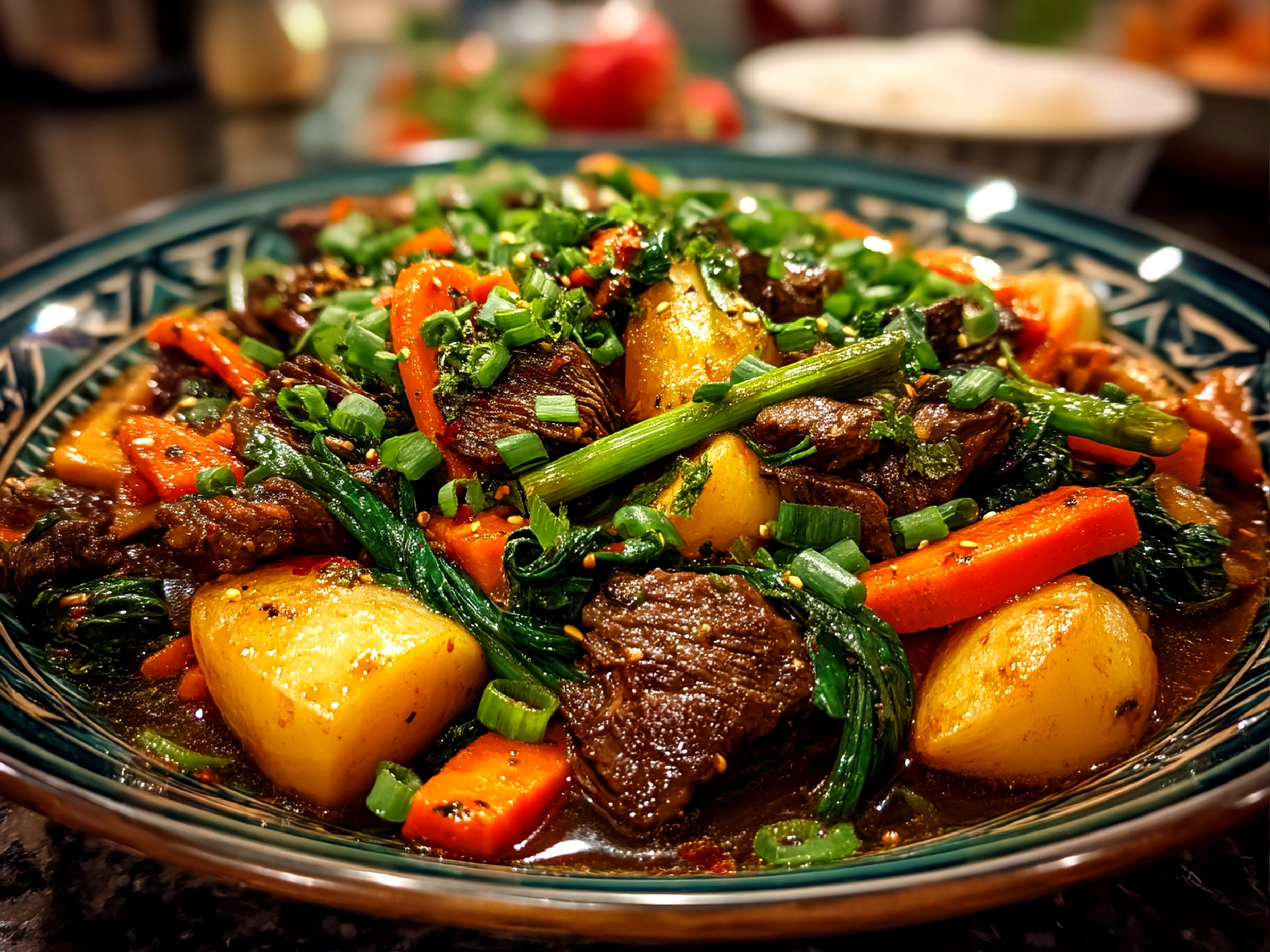
Every time I serve Korean Pot Roast, the kitchen feels a little like a celebration. The kids love our Korean Pot Roast when I pile it over steamed rice with a splash of the glossy sauce, and my husband can’t get enough of a side of kimchi or a simple cucumber salad to cut through the richness. My go-to sides are usually steamed white rice and some quick sautéed greens like spinach or bok choy because they balance the richness of the braised beef Korean style meal.
This Korean Pot Roast is perfect for family dinners on chilly evenings or those weekend gatherings when I want to feed a crowd without working overtime. It also works great for entertaining—the presentation is simple but inviting, especially if you garnish with chopped green onions and maybe a sprinkle of sesame seeds.
If you have extra Korean Pot Roast, it makes a delicious filling for hearty sandwiches or delicious tacos the next day. For a fun seasonal twist, I sometimes swap out the daikon radish for sweet potatoes in the fall, which brings a lovely sweetness.
My friends always ask for this Korean Pot Roast recipe after dinner parties. And if you love this style of meal, you should definitely check out my shredded chicken plate with roasted veggies and salad for more family-friendly dinner inspiration.
FAQs:
Can I use a different cut of beef for Korean Pot Roast?
Absolutely! You know what I do when my Korean Pot Roast prep gets rushed? I use a brisket or even a beef shank. These cuts are also great for Korean slow-cooked beef because of their fat content and tenderness after long cooking.
How spicy is the spicy Korean pot roast?
That really depends on your gochugaru amount. I usually add about a teaspoon for a gentle kick because my family isn’t into blazing heat. If you want more spice, go wild but add it gradually!
Can I make this in a slow cooker?
Yes! Actually, slow cookers are a lifesaver for Korean Pot Roast. Just throw everything in, set it on low, and you’re good for most of the day. I’ve shared a great slow cooker technique on this Crockpot Korean Inspired Pot Roast post that really helped me.
What’s the secret to the sauce thickness?
I learned the hard way with Korean Pot Roast sauce to add a cornstarch slurry at the end if it’s too thin. Otherwise, just simmer uncovered for a few minutes to reduce it naturally.
Can I freeze leftovers?
Yes, Korean Pot Roast freezes beautifully. Just portion it into airtight containers. When reheating, I recommend warming gently on the stove with a splash of water or broth to loosen the sauce.
Is the daikon radish necessary?
It’s a classic for galbi jjim inspired pot roast and adds a nice subtle sweetness and texture. But if you don’t have it, sweet potatoes or even regular potatoes work as great substitutes.
Any tips for making Korean Pot Roast quickly?
If time is tight, try cutting the beef into smaller chunks for faster cooking or use a pressure cooker. For ingredient ideas and timelier versions, check this Any chuck roast ideas? : r/KoreanFood.
My Final Thoughts:
This Korean Pot Roast recipe truly holds a special place in my heart because it’s more than just food—it’s a tradition that has grown with my family. My Korean Pot Roast Pro Tips? One, always brown your meat first for better flavor. Two, don’t rush the simmering—low and slow wins every time. Three, adjust spice levels to match your family’s tastes, making room for a spicy Korean pot roast version if you like heat.
Over the years, my family’s favorite variations have included a sweeter Korean soy sauce pot roast for the little ones, a galbi jjim inspired pot roast for special occasions, and occasional spicy Korean pot roast twists for those who crave a little fire. My husband loves the slow, melt-in-your-mouth pieces, while my kids cheer when rice and sauce get messy.
I encourage you to make this Korean Pot Roast your own—tweak it, make it cozy, and let it become your family’s new tradition. And if you want to try something alongside it, I highly recommend my Greek roast potatoes with lemon and feta for a delightful side.
Wishing you joy, warmth, and plenty of cozy meals while making this Korean Pot Roast. Remember, cooking is as much about the memories as it is the flavors—so get that pot going and enjoy every savory bite!
Korean Pot Roast
Korean Pot Roast is a flavorful and tender beef dish simmered in a savory soy-based sauce with Korean spices, perfect for a comforting dinner.
- Prep Time: 15 minutes
- Cook Time: 210 minutes
- Total Time: 225 minutes
- Yield: 6 servings
- Category: Dinner
- Method: Baked
- Cuisine: Korean
Ingredients
- 3 lbs beef chuck roast
- 2 tbsp vegetable oil
- 1/2 cup soy sauce
- 1/4 cup brown sugar
- 1/4 cup rice wine
- 4 cloves garlic, minced
- 1 tbsp ginger, grated
- 1 tsp black pepper
- 1 large onion, sliced
- 2 cups beef broth
- 2 medium carrots, cut into chunks
- 2 stalks celery, cut into chunks
- 2 green onions, sliced (for garnish)
- 1 tbsp toasted sesame seeds (for garnish)
Instructions
- Heat vegetable oil in a large pot over medium-high heat. Sear the beef roast on all sides until browned, about 4-5 minutes per side. Remove and set aside.
- In the same pot, add garlic, ginger, and onion; sauté until fragrant and translucent, about 3 minutes.
- Stir in soy sauce, brown sugar, rice wine, and black pepper. Bring the mixture to a simmer.
- Return the roast to the pot and add beef broth. The liquid should partially cover the meat.
- Add carrots and celery around the roast.
- Cover the pot and reduce heat to low. Simmer for 3 to 3.5 hours until the beef is tender and easily shredded.
- Remove the pot roast and let it rest for 10 minutes before slicing.
- Serve the beef with the vegetables and spoon the sauce over the top. Garnish with green onions and toasted sesame seeds.
Notes
For an extra depth of flavor, marinate the beef in the sauce mixture overnight before cooking or serve with steamed rice to soak up the delicious sauce.