

You know, there’s something incredibly comforting about the humble Japanese Egg Sandwich. The first time I tasted a Japanese Egg Sandwich, or tamago sando as it’s lovingly called in Japan, I was instantly hooked. I remember standing in my kitchen, the aroma of soft boiled eggs mingling with the subtle sweetness of fluffy bread and creamy kewpie mayonnaise sandwich spread filling the air. It wasn’t just any sandwich; it was a perfect harmony of textures and flavors—silky eggs with a whisper of umami wrapped tenderly by pillowy bread. This Japanese Egg Sandwich quickly became a family favorite, not just for weekday lunches but also for those rushed mornings when you want to pack something nourishing and fuss-free.
I’ll be honest—my first attempt at making the Japanese Egg Sandwich was far from perfect. I once tried to scramble eggs too aggressively and ended up with a dry, crumbly mess instead of that fluffy scrambled eggs sandwich everyone raves about. It took a few tries, lots of tweaks, and even some kitchen mishaps (like bursting soft boiled eggs sandwich spilling everywhere) before I nailed the balance of creaminess and softness. Once I did, it truly became my go-to Japanese sandwich recipe that even the kids ask for without hesitation.
This recipe fits seamlessly into my busy family life. When you’re juggling work, school runs, and a household that’s always hungry, you need a meal that’s quick, delicious, and loved by everyone. The Japanese Egg Sandwich checks all those boxes beautifully. By keeping a few staple ingredients on hand, this sandwich comes together in no time. And the best part? It’s so versatile. Whether it’s a snack, lunchbox treat, or a road trip companion, this sandwich always hits the spot.
If you’ve been curious about trying a Japanese Egg Sandwich or even a tamago sando variant, I can’t recommend it enough. And if you want some extra inspiration and tips beyond my own story, you might like this exceptional Japanese Egg Sandwich (Tamago Sando) たまごサンド • Just One Cookbook—a great place to see how others approach this classic dish.
I’d love for you to try making your own Japanese Egg Sandwich at home. Trust me, once you get it right, you’ll have a new staple that makes your family smile—and that’s what cooking at home is all about, right?
Ingredients:
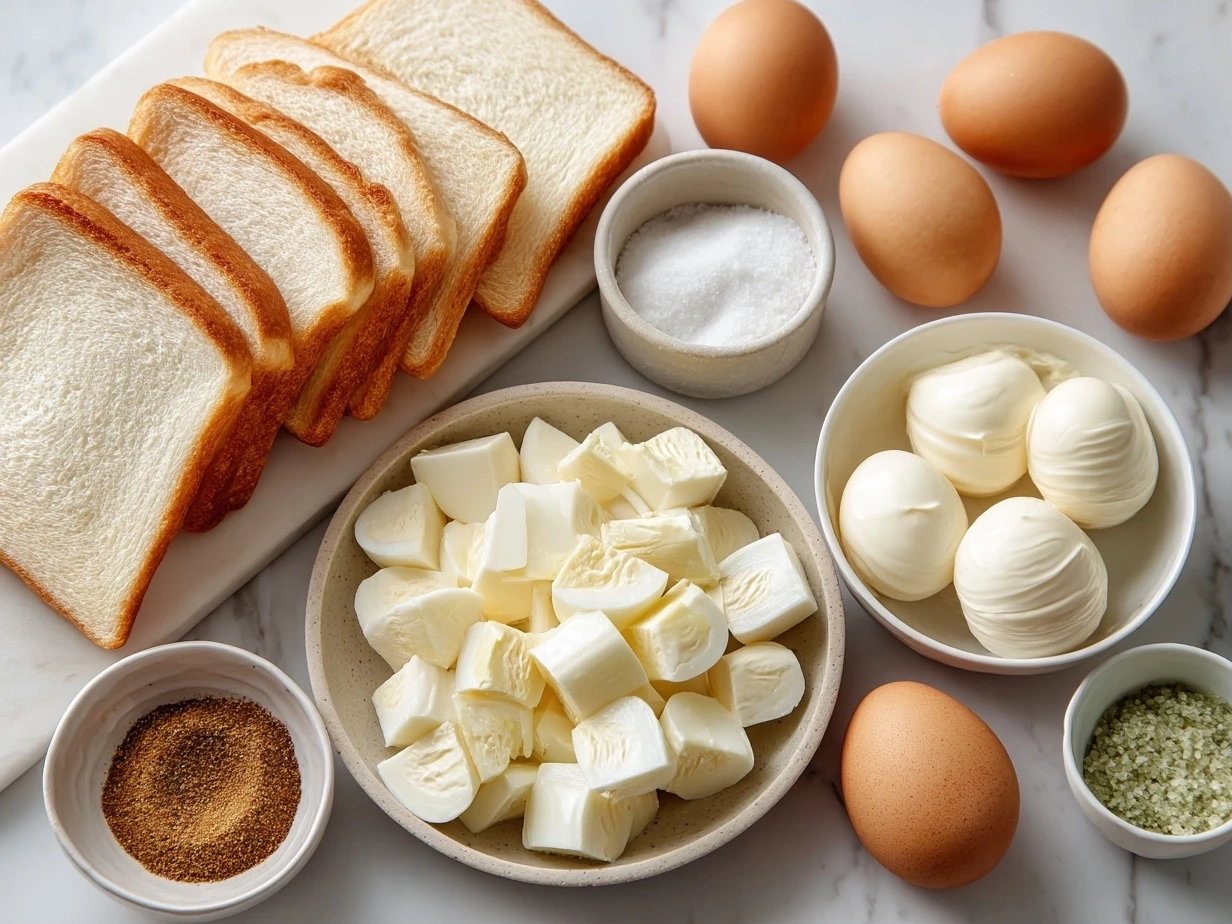
When I make my Japanese Egg Sandwich, I always keep the ingredients simple and reliable for the best results. Here’s my go-to list:
- 4 large eggs (I prefer organic for that fresh, clean taste)
- 2 tablespoons Kewpie mayonnaise (this kewpie mayonnaise sandwich ingredient adds just the right creaminess and a slightly sweet tang—totally key to authentic flavor)
- 4 slices of soft white bread (Japanese sandwich bread, often called shokupan, is ideal for its pillowy texture)
- Salt, to taste (I usually go light because the Kewpie mayo adds plenty of flavor)
- Pepper, to taste
- Butter (optional, about 1 tablespoon, for spreading on the bread if you want a slightly richer layer)
Now, I know finding that perfect bread can be a bit tricky, but most Asian grocery stores stock the shokupan loaf, or you can order it online. Alternatively, a very soft white sandwich bread from your local bakery works well too. When it comes to Kewpie mayonnaise, that’s a must for an authentic Japanese Egg Sandwich. It’s creamier and less tangy than American mayo and makes your Japanese sandwich recipe taste just right. If you’re not sure where to find it, a quick visit to the Asian aisle in your grocery store or specialty markets usually does the trick.
A quick kitchen hack I learned from my mom when preparing the eggs for this Japanese Egg Sandwich is to boil them gently for that perfect soft boiled eggs sandwich texture, then peel under running water to avoid any shell bits. This is especially handy if you’re prepping in advance for school lunches or picnics.
Also, for busy days, I like making the egg mixture in advance and storing it in an airtight container in the fridge for up to two days. It saves me from the morning scramble and keeps the flavors fresh.
If cost is a concern, you can find budget-friendly yet decent quality eggs and mayo without breaking the bank. Eggs especially are such a versatile ingredient that your investment goes a long way in family meals—think of dishes like this Japanese Egg Sandwich or even Japanese Potato Salad, which also uses simple ingredients but scores big on taste.
How to Make – Step-by-Step:
Alright, let’s get down to making the perfect Japanese Egg Sandwich! This recipe is straightforward, but I’ve got some personal pointers to make sure yours turns out just right.
- Boil the Eggs
Start by placing your eggs in a saucepan and cover them with cold water. Bring to a gentle boil and let simmer for 7 minutes for soft boiled eggs sandwich perfection. I like mine just a bit custardy, but if you prefer firmer eggs, you can go up to 8-9 minutes. Don’t worry if your timing’s off the first few tries—this step took me several attempts to perfect. - Peel and Mash
Once boiled, immediately transfer eggs to an ice bath or run under cold water to stop cooking. Peel carefully to avoid breaking the eggs all over. Then, chop or mash them gently with a fork to create a creamy texture, almost like the fluffy scrambled eggs sandwich—but even creamier! - Mix with Kewpie Mayonnaise
Add 2 tablespoons of Kewpie mayonnaise, salt, and a pinch of pepper to the eggs. I learned the hard way to mix gently; overmixing made my first Japanese Egg Sandwich filling too runny. Aim for a soft, spreadable consistency that isn’t watery. This is what makes it a classic Japanese sandwich recipe. - Prepare the Bread
If you like a bit of extra flavor, lightly butter your bread slices. Otherwise, keep it plain to let the egg filling shine. Cut off crusts if you want that true tamago sando look—soft, fluffy, and easy to bite into. - Assemble
Evenly spread the egg mixture onto two slices of bread, then top with the remaining slices. Don’t press too hard; the sandwich should feel soft and airy, just like that dreamy fluffy scrambled eggs sandwich you’ve always wanted. - Cut and Serve
Trim crusts if you haven’t already, then cut sandwiches diagonally or into neat rectangles. This presentation tip makes it feel extra special and kid-friendly.
I usually make this Japanese Egg Sandwich in about 15-20 minutes, perfect for a quick lunch or a fun afternoon snack. While it’s resting on the plate, I tidy up the kitchen and maybe start prepping a side dish or two.
If you want to explore different takes on this recipe or troubleshoot common questions, Hungry Huy’s Japanese Egg Sandwich Recipe (Tamago Sando) is a fantastic resource for some creative spins and perfect technique tips.
Serving:
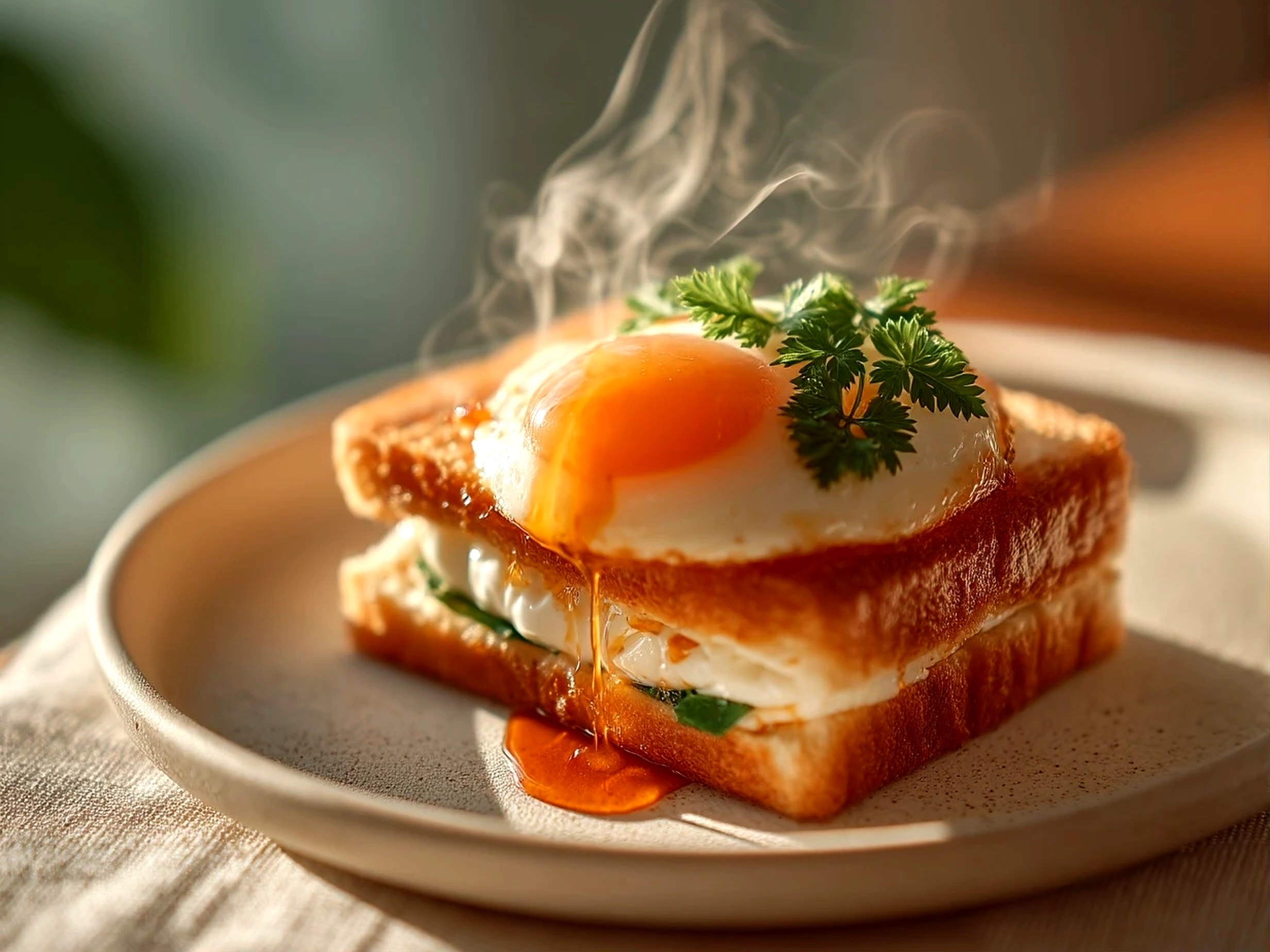
The best part about the Japanese Egg Sandwich is how much everyone in my family loves it. My kids think it’s just the right amount of creamy, not too rich, and easy to handle for their little hands. I often serve it with light, fresh sides like cucumber slices or a small salad dressed with a simple Japanese-style dressing. Sometimes, I pair it with crispy chips or even a warm cup of miso soup, which makes for a comforting meal, especially on chilly days.
This Japanese Egg Sandwich is perfect for many occasions—weekend brunches, packed lunches, or even a casual picnic because it holds together well and doesn’t get messy. When served as mini sandwiches, they’re a hit at birthday parties or get-togethers too.
I’ve tried presenting them in Bento boxes alongside other Japanese-inspired dishes, and trust me, the neat rectangles of the tamago sando always steal the show. Here’s a little trick: add a sprinkle of finely chopped chives or a dash of shichimi spice on top for a small kick. It looks pretty and adds a lovely complexity without overpowering that delicate egg flavor.
If you ever have leftovers from your Japanese Egg Sandwich, they toast fairly well for a quick breakfast or a snack later in the day. Just gently toast them in a pan or sandwich press to revive the softness while crisping the edges.
By the way, if you love this Japanese sandwich recipe, you should check out Whimsical Easter Bunny Sandwiches which are another fun, family-friendly lunch idea that pairs adorably with a tamago sando.
FAQs:
1. Can I use scrambled eggs instead of soft boiled eggs for the Japanese Egg Sandwich?
Absolutely! I sometimes make a fluffy scrambled eggs sandwich version when I want something extra light. Just be sure to keep the eggs soft and creamy, not dry. It’s a nice twist if you’re craving a bit of fluffiness.
2. What bread is best for tamago sando?
Japanese sandwich bread or “shokupan” is ideal because it’s super soft and slightly sweet. If you can’t find it, soft white sandwich bread from your local bakery works fine. Crusts off or on is up to you, but my kids definitely prefer them removed for that perfect melt-in-your-mouth feel.
3. Is Kewpie mayonnaise necessary?
Yes and no. Kewpie mayo gives the Japanese Egg Sandwich its distinctive flavor with a slight sweetness and creaminess that regular mayo lacks. However, if you’re in a pinch, use a mild, creamy mayo mixed with a little bit of rice vinegar to mimic it. For more on mayo variations for tamago sando, check out Japanese Egg Sandwich – Tamago Sando (CREAMY) – Tiffy Cooks.
4. How long can you store prepared Japanese Egg Sandwich filling?
I keep mine in an airtight container in the fridge for up to 2 days. Beyond that, I’d say fresh is best, as the bread might get soggy and the eggs lose some creaminess.
5. Can you freeze a Japanese Egg Sandwich?
I recommend against freezing the sandwich assembled. The bread tends to get soggy. Instead, freeze the egg filling separately and build fresh sandwiches when you want them.
6. What’s the secret to soft boiled eggs sandwich perfection?
Timing and immediate cooling! Boil gently for about 7 minutes, then ice bath to stop the cooking. Peeling under water helps keep your eggs smooth and shell-free—trust me, it makes a difference.
7. How do you prevent the Japanese Egg Sandwich from getting soggy?
Spreading a thin butter layer on the bread acts as a moisture barrier, keeping the bread from soaking up too much from the egg mayo mixture. Also, assembling just before eating helps.
If you want to learn more Japanese Egg Sandwich tips, especially troubleshooting ideas to avoid common cooking pitfalls, the Japanese Egg Sandwich Recipe (Tamago Sando) – Hungry Huy blog is fantastic.
My Final Thoughts:
This Japanese Egg Sandwich recipe holds a dear place in my heart because it reminds me of simple joys and family moments. It’s more than just a sandwich; it’s the little tradition I share with my kids, who always brighten up when I pull together the fluffy, creamy filling and soft bread.
My Japanese Egg Sandwich Pro Tips:
– Use fresh eggs and time your boil carefully for the perfect soft boiled eggs sandwich texture.
– Don’t overmix the egg and mayo filling—aim for creamy, not soupy.
– Lightly butter the bread to keep the sandwich’s soft texture from turning soggy.
We’ve also tried variations like adding finely chopped scallions, mixing in a little Japanese mustard for a bit of zing, or even using mashed avocado for a fun twist. My youngest particularly loves the classic tamago sando, while my husband prefers the fluffy scrambled eggs sandwich variation.
If you’re thinking of making the Japanese Egg Sandwich your own, I encourage you to experiment gently—the beauty of this Japanese sandwich recipe is its simplicity and adaptability. I hope your kitchen fills with the same warm, comforting smells and that your family enjoys every creamy, pillowy bite just like mine does.
For more family-friendly sandwich inspiration, you might want to try out the hearty and satisfying Slow Cooker Beef and Cheddar Sandwich next—it’s another winner in busy households.
Happy cooking and much love to you on this tasty journey with the Japanese Egg Sandwich!
Let me know if you want me to share my favorite Japanese Potato Salad recipe next—it’s another dish that pairs wonderfully with this sandwich and makes lunchtime so bright!
Japanese Egg Sandwich

A fluffy and creamy Japanese egg sandwich made with soft white bread and a rich, slightly sweet egg salad filling perfect for a comforting snack or light meal.
- Prep Time: 10 minutes
- Cook Time: 10 minutes
- Total Time: 20 minutes
- Yield: 2 sandwiches
- Category: Snack
- Method: No-Cook
- Cuisine: Japanese
Ingredients
- 4 large eggs
- 2 tablespoons Japanese mayonnaise (Kewpie)
- 1 teaspoon Dijon mustard
- 1 teaspoon sugar
- Salt, to taste
- Freshly ground black pepper, to taste
- 4 slices soft white sandwich bread, crusts removed
Instructions
- Place eggs in a saucepan and cover with cold water. Bring to a boil over medium heat.
- Once boiling, cook for 6 minutes for slightly runny yolks or 8 minutes for fully set yolks.
- Drain hot water and transfer eggs to ice water to cool. Peel eggs once cooled.
- Mash eggs in a bowl with mayonnaise, Dijon mustard, sugar, salt, and pepper until creamy but slightly chunky.
- Spread an even layer of the egg salad on two bread slices.
- Top with remaining bread slices and gently press down.
- Cut each sandwich diagonally and serve immediately or wrap and refrigerate for later.
Notes
For extra flavor, add thinly sliced cucumbers or a sprinkle of shichimi togarashi (Japanese 7-spice) inside the sandwich.