
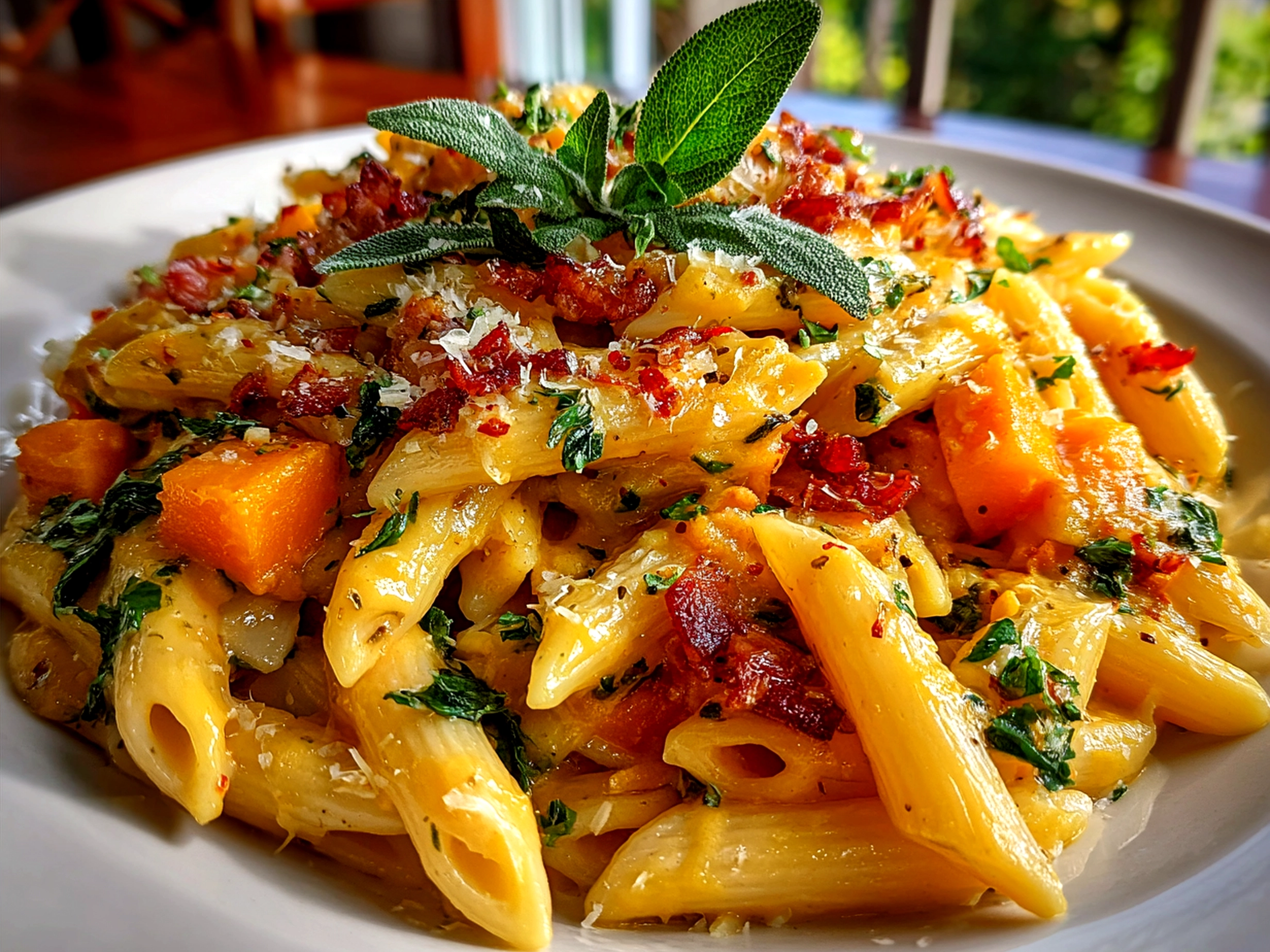
When the crisp air of fall starts to settle in, and the colors outside turn into that warm palette of oranges and golds, there’s one dish that I always find myself coming back to — my beloved Butternut Squash Sage Pasta. I remember the first time I stumbled upon this cozy, cream sauce pasta with butternut squash recipe; it was one of those “aha” moments in the kitchen when I realized simple ingredients can make magic. The roasted butternut squash pasta had this silky, velvety texture with just the right hint of earthiness from fresh sage, and honestly, it smelled like autumn on a plate.
But it wasn’t always smooth sailing with this one. I’ll confess, early attempts at making this Butternut Squash Sage Pasta ended in mushy squash or a sauce that was too thick — anyone else have that kitchen struggle? Over the years, I learned the importance of roasting the squash just right and balancing the cream sauce perfectly. Now, it’s a family favorite that fits beautifully into our busy weeknights or even those relaxed weekend dinners where we all slow down and savor the moment. I love how this autumn pasta dish feels like wrapping yourself in a warm blanket — nourishing and comforting, but also vibrant and fresh thanks to the sage.
The first time I shared this vegetarian squash pasta with friends and family, they kept asking for seconds (and the recipe, of course!). It’s the kind of dish that feels fancy enough for special occasions but easy enough to whip up even when time is tight. If you love sage-infused pasta recipes or have ever hesitated about cooking with butternut squash, stick around — I’m going to walk you through all my favorite tips and tricks so you can make this Butternut Squash Sage Pasta your own cozy kitchen classic. And if you want to peek at a few similar takes on this great comfort dish, I’ve found some yummy inspiration on Butternut Squash Pasta Sauce from Reddit, which gave me some early ideas on how to bring out the best in this humble squash.
Ingredients:
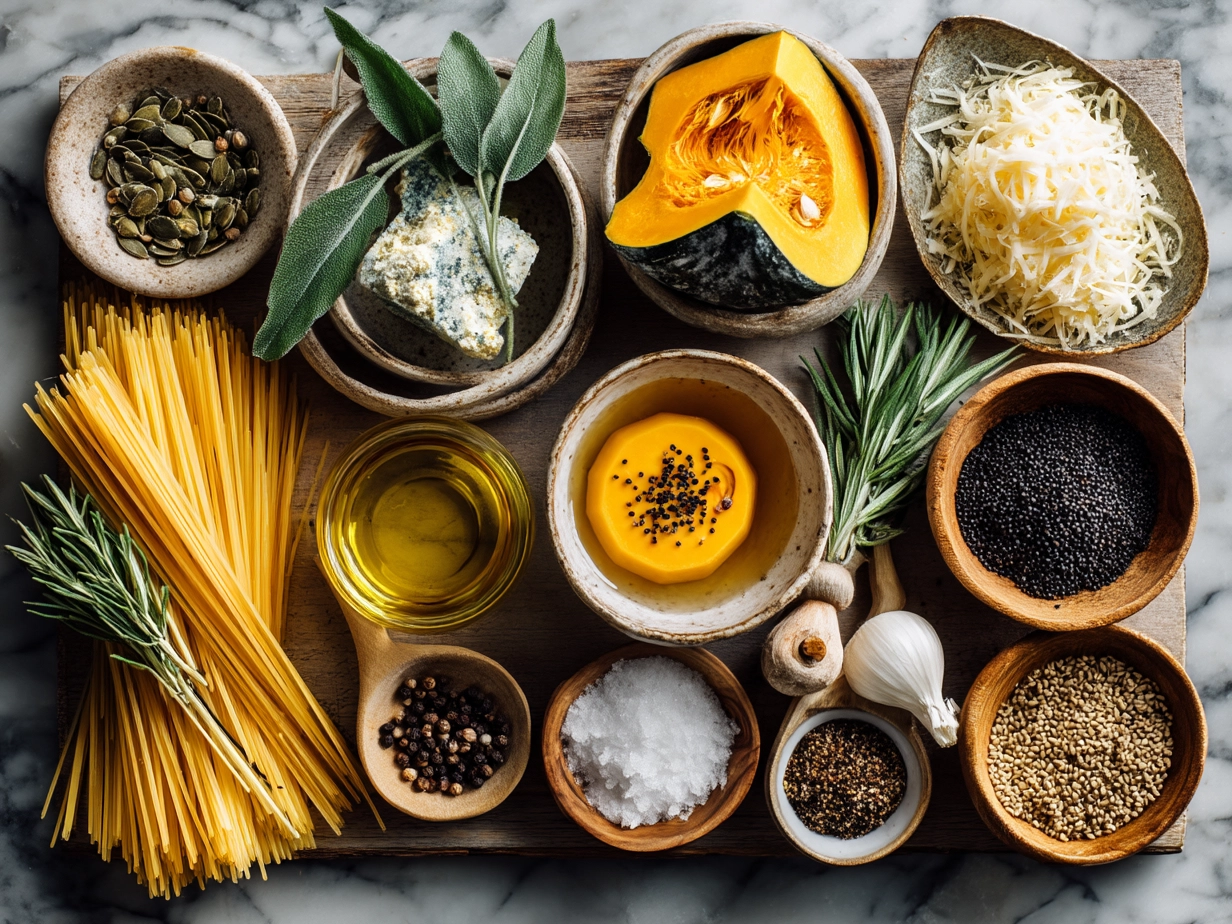
Here’s what you’ll need to make this golden beauty of a Butternut Squash Sage Pasta. This list is what I swear by for the creamiest, most flavorful pasta every time. I always use freshly grated Parmigiano-Reggiano — it really makes a difference when you’re balancing the sweetness of the squash with the earthiness of sage. For the squash, I buy whole butternut squash from my local farmer’s market when possible — it’s often cheaper and tastes fresher than the pre-cut ones at the grocery store. Here’s a quick little Butternut Squash Sage Pasta trick I learned from my mom: peel and cube the squash the day before you plan to cook, then roast it straight from the fridge. It saves so much time, especially on busy weeknights.
- 1 medium butternut squash (about 2-3 lbs), peeled and cubed
- 3 tablespoons olive oil (plus extra for drizzling)
- 2 tablespoons unsalted butter
- 10-12 fresh sage leaves (about 2 tablespoons finely chopped)
- 3 garlic cloves, minced
- 1 cup heavy cream
- 1 cup vegetable broth (or chicken broth if not strictly vegetarian)
- 1/2 cup grated Parmigiano-Reggiano cheese
- Salt and freshly ground black pepper, to taste
- 12 oz fettuccine or your favorite pasta shape
Pro tip: When shopping for ingredients for your Butternut Squash Sage Pasta, keep an eye out for fresh sage at farmers’ markets or the fresh herb section; dried sage won’t give you the same flavor punch. Also, heavy cream can feel pricey, but a little goes a long way in this cream sauce pasta with butternut squash — if you want to stretch your budget, try mixing half cream with whole milk for a lighter version that still tastes rich.
If you want to keep your kitchen running smooth, grab pre-minced garlic or pre-cut butternut squash cubes as shortcuts — just watch the roasting times! For storage, leftover roasted butternut squash is fantastic in soups or even tossed into salads. And if you’re aiming to save ingredients for a later time, freeze that roasted squash to have your own “instant” fall flavor on hand.
For some inspiration and ideas on how to pick and prepare your ingredients, this Serious Eats butternut squash and sage cream sauce recipe has some great pointers on flavor balance and creaminess.
How to Make – Step-by-Step:
Ready to make the perfect Butternut Squash Sage Pasta with me? Don’t worry if you’re new to handling butternut squash or cream sauces. I’ve got your back with all the tips I’ve picked up from years of trial, error, and happy kitchen discoveries. In my kitchen, this whole process usually takes about 45 minutes from prep to plate, but it’s worth every minute.
- Preheat your oven to 425°F (220°C). Toss those peeled butternut squash cubes with olive oil, a pinch of salt, and black pepper. Spread them evenly on a baking sheet. This high-temperature roasting caramelizes the squash, making it sweet and slightly crispy around the edges, which is key for that roasted butternut squash pasta flavor.
- Roast the squash for 25-30 minutes. Halfway through, I like to give the pan a good shake so the cubes brown evenly. You want them fork-tender but not mushy – that texture contrast is part of what makes this autumn pasta dish shine.
- While the squash roasts, bring a large pot of salted water to a boil and cook your pasta. I usually use fettuccine or pappardelle for this Butternut Squash Sage Pasta, but any pasta shape will work. Cook al dente according to package instructions.
- In a large skillet, melt the butter over medium heat and add the fresh sage leaves. Fry them gently until they become crispy and fragrant. This sage-infused butter is the green gold of the dish and will flavor not only the sauce but also the pasta itself.
- Add the minced garlic to the skillet, cooking for about 30 seconds until fragrant but not browned. Then pour in the vegetable broth and heavy cream, stirring gently to combine for that luscious cream sauce with butternut squash base.
- Once the squash is out of the oven, spoon it into the sauce pan and mash some of the cubes with the back of your spoon while leaving some whole. This makes the sauce creamy but with lovely bites of roasted sweetness.
- Stir in the grated Parmigiano-Reggiano and adjust seasoning with salt and pepper. If your sauce is too thick, I’ll add a bit of pasta cooking water — that helps the cream sauce pasta with butternut squash come together beautifully and keeps everything silky.
- Drain the pasta and toss it straight into the skillet with the sauce, adding a couple tablespoons of the pasta water if needed. Give it a good toss so every strand is coated with that golden sauce and plenty of sage flavor.
If you’re looking for more detailed explanations or variations on roasting and sauce techniques, this Butternut squash pasta with 4 cheese bechamel and browned sage tutorial is a gem and helped me when I wanted to add something extra cheesy.
While the Butternut Squash Sage Pasta is cooking, I usually use the time to set the table and maybe even whip up a simple green salad or warm up some garlic bread. Your kitchen should smell like sweet roasted squash, buttery sage, and a hint of garlic — basically autumn comfort in the best form imaginable.
Serving:
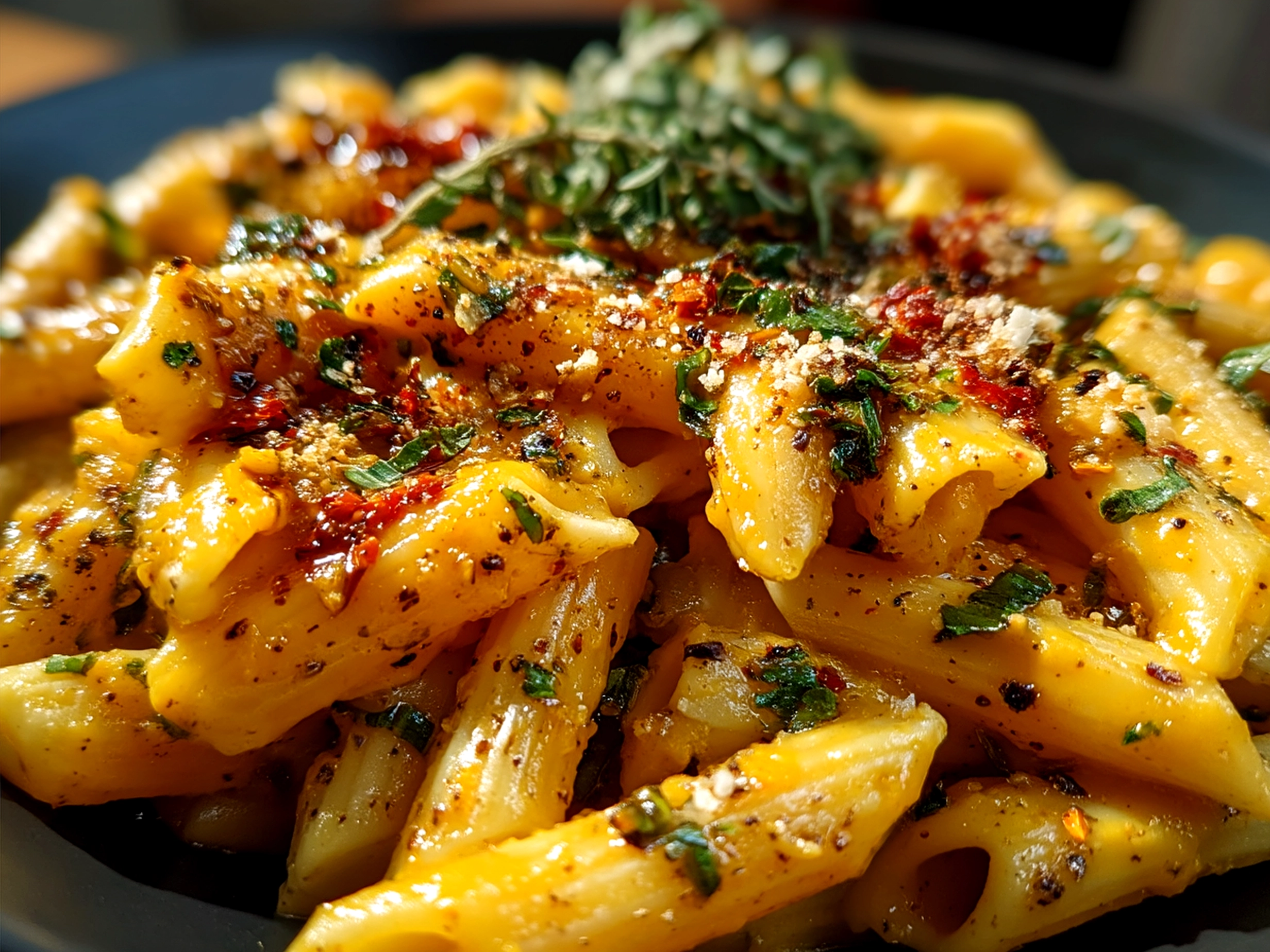
The best part about Butternut Squash Sage Pasta is watching my family’s faces light up when they take that first bite. The kids especially love it when I crumble a little extra crispy sage on top — it adds a perfect texture contrast to their vegetarian squash pasta. This dish is fabulous on its own but pairs beautifully with light sides that won’t compete with the richness.
I typically serve it with a crisp arugula salad dressed with lemon vinaigrette. The peppery greens cut through the creamy sauce nicely. Sometimes, when I want to pull together a simple meal in a flash, I’ll whip up my favorite sausage pasta skillet as a heartier companion, or even bring out some garlic parmesan roasted broccoli for a green veggie on the side. These pair well without stealing the show from the star — our roasted butternut squash pasta.
This Butternut Squash Sage Pasta is perfect for those autumn family dinners, holiday gatherings, or cozy nights where you just want to curl up with warm food and good company. And here’s a little tip I learned after many family dinners: presentation matters! A sprinkle of toasted pine nuts or a tiny drizzle of browned butter right before serving makes the dish feel special without extra fuss.
If you have any leftovers (which honestly rarely happens here), I love to mix the chilled pasta with a handful of baby spinach and reheat gently for a quick lunch the next day. It also freezes well, so if you’re planning ahead you can portion it out and have a ready-made autumn meal any time.
For some fresh serving ideas and presentation inspiration, check out this delightful hot honey tortellini pasta salad I came across — while different, it gave me some creative thoughts on how to plate and pair the Butternut Squash Sage Pasta too.
FAQs:
A: You can, but I strongly recommend fresh sage leaves. Fresh sage gives such a vibrant, aromatic complexity that dried just doesn’t match. When I tried dried sage early on, the dish felt flat, so now I always make sure to have fresh leaves on hand or even freeze leftover fresh sage to use later.
A: Great question! I’ve swapped half the cream for whole milk on occasion to lighten up the dish. You can also use coconut milk (full-fat) for a dairy-free twist, which works surprisingly well with the roasted butternut squash pasta – just be mindful of some subtle coconut flavor your family might notice.
A: The key is to add starch from pasta water slowly and constantly stir. If the sauce feels too thin, simmer it a bit longer on low but keep an eye to avoid burning or over-thickening. Toasted sage leaves and Parmesan help balance texture too!
A: Absolutely, prepping the squash in advance and even making the sauce ahead really helps during busy days. Keep the sauce separate until ready to toss with hot pasta to avoid sogginess. It reheats beautifully on the stove with a splash of extra broth or cream.
A: I love wide noodles like fettuccine or pappardelle because they hold the cream sauce so well, but shorter shapes like penne or rigatoni also catch the flavorful sauce perfectly. Our family shows some shape loyalty depending on mood — the kids like fun shapes, so sometimes I go with rotini for them.
A: Definitely! Just be sure to use vegetable broth and check your cheese is vegetarian-friendly if that’s important to you. The recipe shines as a meatless dinner any time.
A: I always make sure the sage is finely chopped or even crisp fried in butter so it’s not too overpowering. Including a bit extra Parmesan gives that cheesy pull kids love. Plus, I avoid too much black pepper for their palates.
For deeper dives on question and answer style butternut squash pasta chats, this Butternut Squash Pasta Sauce thread on Reddit is a treasure trove of feedback from home cooks like us.
My Final Thoughts:
This Butternut Squash Sage Pasta recipe holds a special place in my heart — it’s comforting, simple, and connects me to so many wonderful family memories. It’s become a go-to autumn pasta dish that feels both cozy and a little fancy thanks to that fragrant sage and creamy sauce. I love sharing it with friends and seeing their faces light up, usually followed by the inevitable “Can I have the recipe?”
- Roast your butternut squash at a high temp for caramelized sweetness and perfect texture.
- Don’t skip the sage butter step — it infuses the sauce and pasta with flavor you can’t get any other way.
- Use pasta water to adjust your cream sauce thickness for that silky finish without heaviness.
Over the years, I’ve tried some fun variations: swapping cream for coconut milk for dairy-free, adding crispy sausage from my sausage pasta skillet for a meatier twist, and even tossing in toasted walnuts for crunch. My kids prefer it classic and creamy, while my partner loves when I fold in roasted mushrooms for earthy depth.
If you make this Butternut Squash Sage Pasta your own, I hope it brings you as much joy, warmth, and togetherness as it has my family. Don’t be shy — this recipe is forgiving and flexible, perfect for holiday dinners or casual weeknights alike. And if you want to try something new along the same lines, check out my recipe for sausage maple waffle bake for cozy flavors that keep the season spirit going strong.
Most of all, enjoy the process and remember — the best cooking comes from the heart and your own kitchen wisdom. Happy cooking, friend!
Butternut Squash Sage Pasta
This creamy Butternut Squash Sage Pasta combines roasted squash and fragrant sage in a luscious sauce for a comforting and flavorful Italian-inspired meal.
- Prep Time: 10 minutes
- Cook Time: 35 minutes
- Total Time: 45 minutes
- Yield: 4 servings
- Category: Dinner
- Method: Baked
- Cuisine: Italian
Ingredients
- 12 oz pasta (penne or rigatoni)
- 1 medium butternut squash, peeled and diced
- 2 tbsp olive oil
- 2 cloves garlic, minced
- 1/4 cup fresh sage leaves
- 1/2 cup vegetable broth
- 1/2 cup heavy cream
- 1/2 cup grated Parmesan cheese
- Salt and pepper, to taste
- Red pepper flakes (optional)
Instructions
- Preheat the oven to 400°F (200°C). Toss diced butternut squash with 1 tbsp olive oil, salt, and pepper. Spread on a baking sheet and roast for 25-30 minutes until tender and lightly caramelized.
- Cook pasta according to package instructions until al dente. Drain and set aside.
- In a large skillet, heat remaining olive oil over medium heat. Add garlic and cook for 1 minute until fragrant.
- Add fresh sage leaves and cook for 1-2 minutes until crisp. Remove half of the sage leaves and set aside for garnish.
- Add roasted butternut squash to the skillet along with vegetable broth. Use a blender or immersion blender to puree the mixture until smooth.
- Return the sauce to the skillet and stir in heavy cream and Parmesan cheese. Cook over low heat until warmed through and slightly thickened. Season with salt, pepper, and red pepper flakes if using.
- Toss the cooked pasta into the sauce until evenly coated.
- Serve hot, garnished with reserved crispy sage leaves and additional Parmesan cheese if desired.
Notes
For a vegan version, substitute heavy cream with coconut cream and use nutritional yeast instead of Parmesan.